
Home > Products > Coffee Bag
Coffee Bags: The Unsung Hero Shaping Freshness, Flavor, and the Future of Coffee
For coffee lovers, the first sip of a perfectly brewed cup—rich with the aroma of roasted beans, balanced in acidity and sweetness—is a daily ritual worth savoring. But what many don’t realize is that the journey from farm to cup doesn’t end when beans are roasted. The coffee bag, often overlooked, is the final guardian of that delicate flavor profile, determining whether your beans stay fresh for days or degrade within hours. In an industry where “freshness is king,” modern coffee bags have evolved far beyond simple packaging: they’re engineered to preserve aroma, block spoilage, and even tell a brand’s story. Leading brands in coffee packaging have driven this evolution, blending functional design with sustainability to create coffee bags that honor both the coffee and the planet. Let’s explore why coffee bags matter, how they work, their key innovations, and what makes standout coffee bag solutions a leader in the space.
What Makes a Coffee Bag More Than Just “Packaging”?
At first glance, a coffee bag might seem like a basic container—but its role is far more critical. Coffee beans are highly sensitive to their environment: exposure to oxygen, light, moisture, and heat can strip them of their volatile oils (the compounds that create aroma and flavor) and turn a premium roast into a bitter, flat disappointment. A well-designed coffee bag acts as a “protective shield” against these threats, while also serving as a bridge between roasters and consumers—communicating quality, origin, and brand values.
Traditional coffee packaging (think paper bags with simple folds) often fell short: paper is porous, allowing oxygen and moisture to seep in, and transparent plastic exposes beans to light. Modern coffee bags, by contrast, are multi-layered marvels. Most are made from a combination of materials—like polyethylene (for moisture resistance), aluminum foil (for oxygen and light blocking), and kraft paper (for durability and a rustic aesthetic)—each layer serving a specific purpose. The result is a coffee bag that locks in freshness, preserves flavor, and keeps beans in peak condition from the roaster to your grinder.
Top-tier coffee bag designs take this functionality a step further by tailoring bags to the unique needs of coffee. Unlike generic packaging, these coffee bags are designed with coffee’s chemistry in mind: they account for the “degassing” process (roasted beans release carbon dioxide for 1–2 weeks after roasting) and ensure that excess gas escapes without letting oxygen in. This balance is crucial—too much gas can make the coffee bag burst, while too much oxygen can make the beans go stale. Precision engineering in these coffee bags solves this problem, ensuring every bag protects the beans while staying intact.
5 Key Innovations in Modern Coffee Bags
The coffee industry’s obsession with freshness has driven rapid innovation in packaging. Today’s coffee bags are packed with features that were unheard of a decade ago, each designed to enhance the user experience and preserve flavor. Here are the most impactful ones:
1. One-Way Degassing Valves: The Freshness Game-Changer
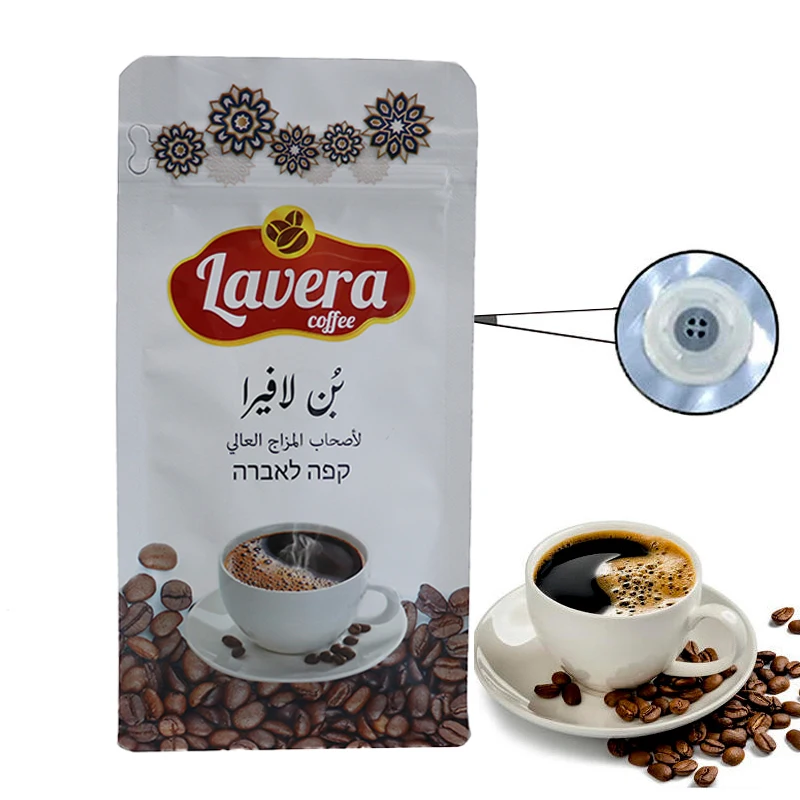
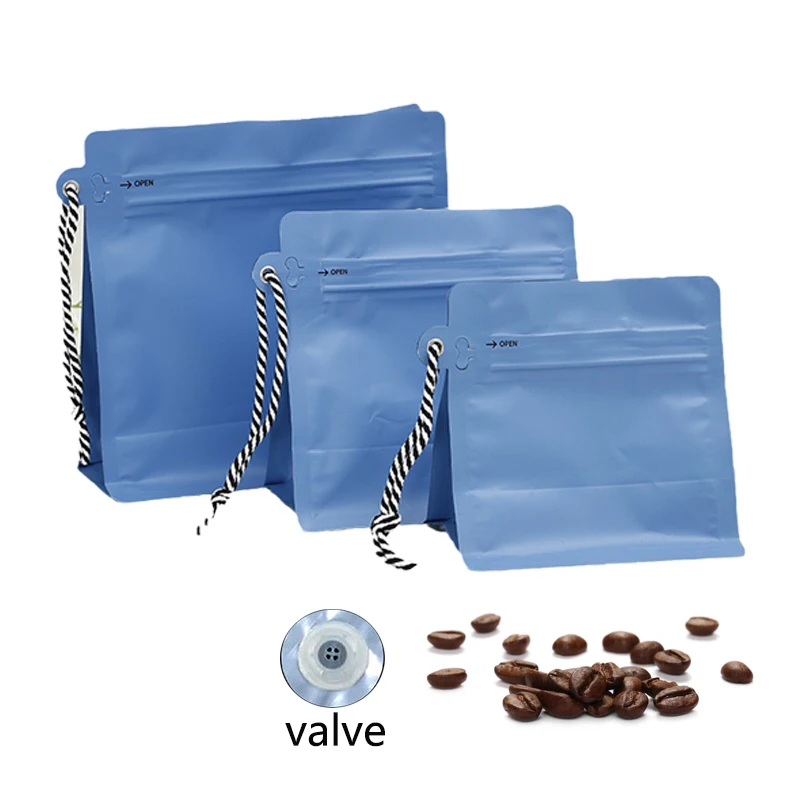
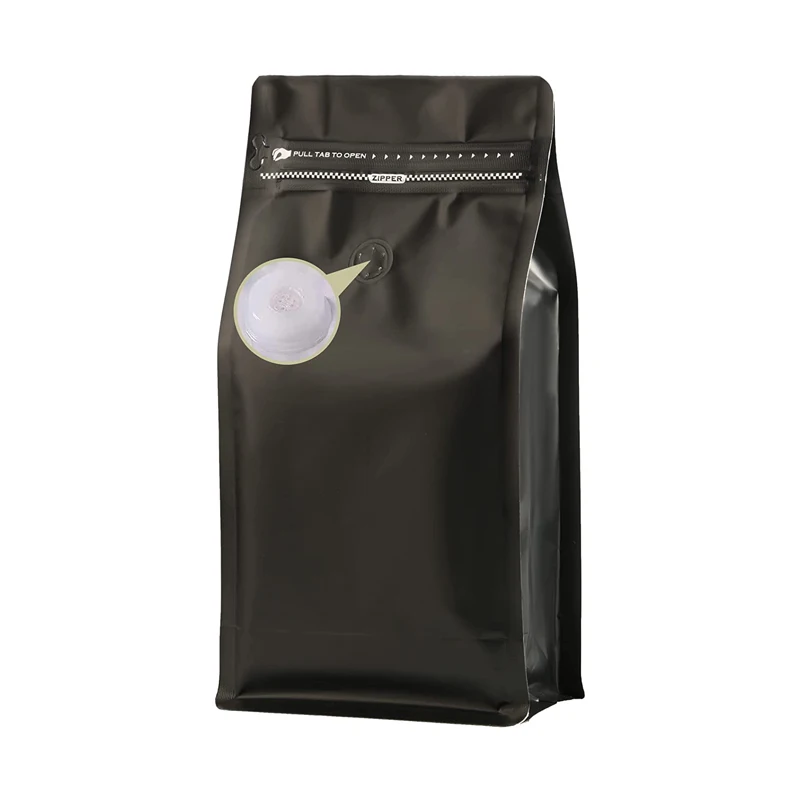
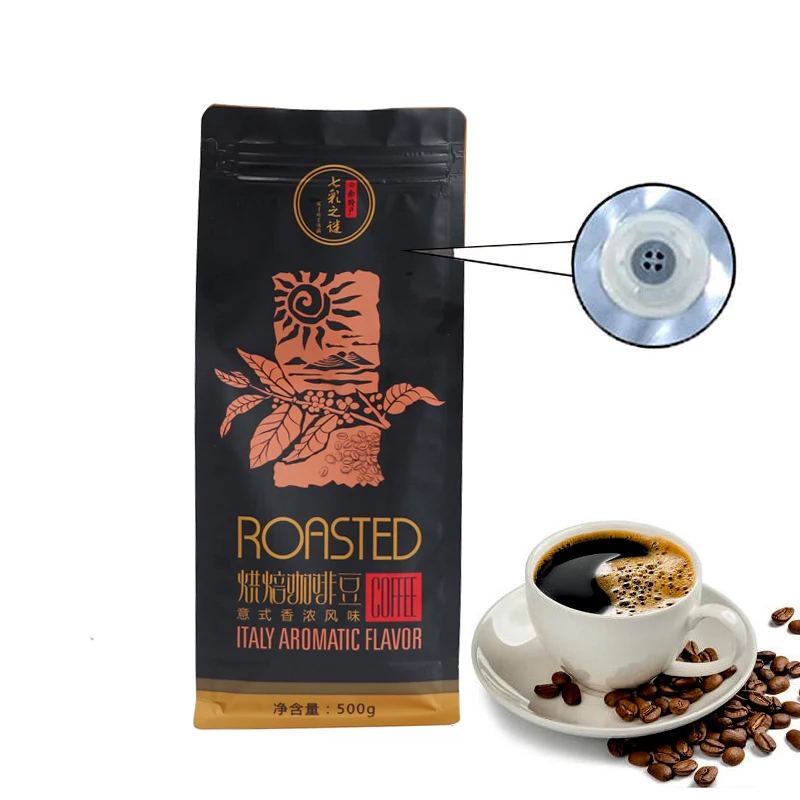
The one-way degassing valve is perhaps the most important innovation in coffee bag design—and for good reason. Roasted coffee beans release carbon dioxide (CO₂) as they degas, and if that gas can’t escape, the coffee bag can swell or even burst. A one-way valve solves this by letting CO₂ escape while blocking oxygen from entering. This means roasters can seal coffee bags immediately after roasting (locking in maximum freshness) without worrying about pressure buildup. For consumers, it means every time you open the coffee bag, you’re met with the full aroma of freshly roasted beans—not stale, oxidized ones.
High-quality coffee bags feature degassing valves engineered for precision. Unlike cheap valves that leak oxygen or get clogged, these valves are tested to ensure they only open when CO₂ pressure builds up (typically at 1–2 psi) and seal tightly otherwise. This reliability makes them a top choice for specialty roasters, who rely on consistent freshness to stand out in a competitive market.
2. Resealable Closures: Freshness That Lasts Beyond the First Open
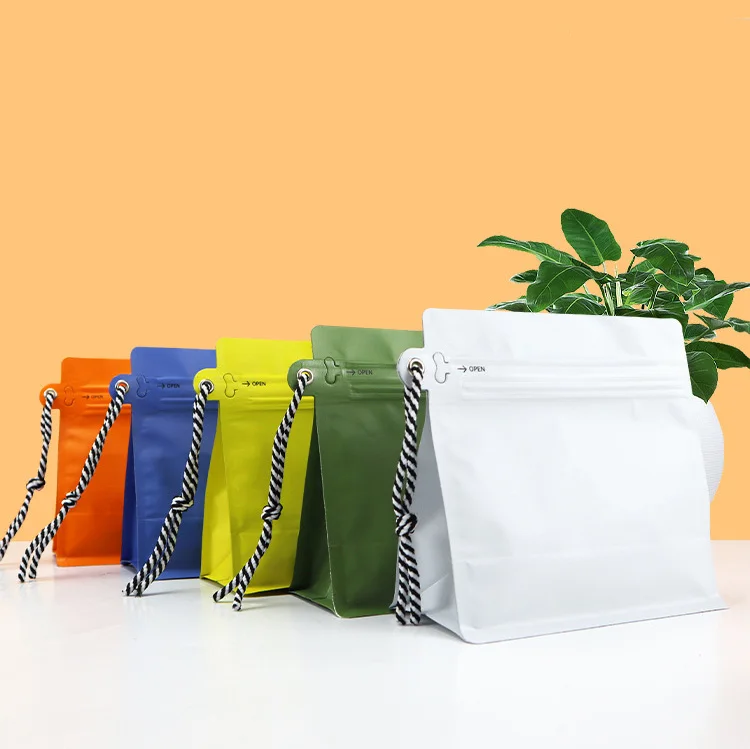
Once you open a coffee bag, the clock starts ticking on freshness—unless the bag has a resealable closure. Traditional coffee bags often required clips or rubber bands to keep them closed, which rarely created an airtight seal. Modern resealable closures (like zip-tops or slider zips) let you seal the coffee bag tightly after each use, blocking oxygen and moisture from re-entering. This extends the bean’s freshness by 2–3 weeks, meaning you can savor that “just-roasted” flavor for longer.
Leading coffee bag options offer a range of resealable choices to fit different needs. Slider zips are ideal for consumers who use coffee daily—easy to open with one hand, yet secure enough to keep beans fresh. For bulk coffee bags (like 5-pound sacks for home roasters), heavy-duty zip-tops are available that can withstand repeated use without losing their seal. These closures aren’t just convenient; they’re a practical way to reduce waste, as you’re less likely to throw away stale coffee.
3. Light-Blocking Layers: Preserving Flavor by Hiding from the Sun
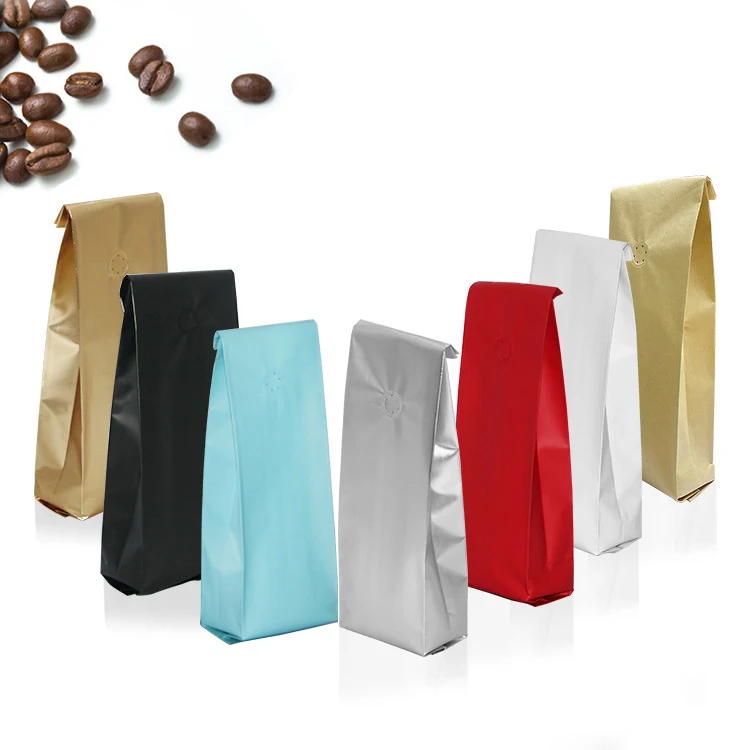
UV light and visible light are enemies of coffee. They break down the bean’s volatile oils (the compounds that create notes of chocolate, fruit, or floral) and accelerate oxidation, turning fresh beans stale. That’s why most modern coffee bags are opaque or have light-blocking layers—usually aluminum foil or dark-colored polyethylene. These layers block 100% of light, ensuring the beans stay in a “dark environment” that preserves their flavor profile.
Premium coffee bags take light protection seriously, using a multi-layer structure: an outer layer of kraft paper (for texture and branding) and an inner layer of aluminum foil (for light and oxygen blocking). For brands that want a transparent window (to showcase the beans’ color), some coffee bags offer “light-filtering” windows that block UV rays while letting consumers see the beans. This balance of visibility and protection is hard to find, making such coffee bags a favorite for roasters who want to highlight their beans’ quality without sacrificing freshness.
4. Sustainable Materials: Coffee Bags That Honor the Planet
The coffee industry is increasingly focused on sustainability—and coffee bag packaging is a big part of that. Traditional coffee bags often combined plastic and foil in ways that made them hard to recycle, leading to millions of bags ending up in landfills each year. Modern coffee bags are changing that, with options made from recyclable, compostable, or biodegradable materials that reduce environmental impact.
Forward-thinking coffee bag designs are at the forefront of sustainable packaging. They include coffee bags made from 100% recyclable kraft paper (with a thin, recyclable plastic lining) and compostable films (made from plant-based materials like cornstarch) that break down in industrial compost facilities. These coffee bags also avoid unnecessary additives—like non-recyclable adhesives or glossy coatings—that make packaging hard to process. For roasters looking to reduce their carbon footprint, these sustainable coffee bag options let them align their packaging with their brand’s eco-values, appealing to environmentally conscious consumers.
5. Custom Branding: Telling a Story Through Coffee Bags
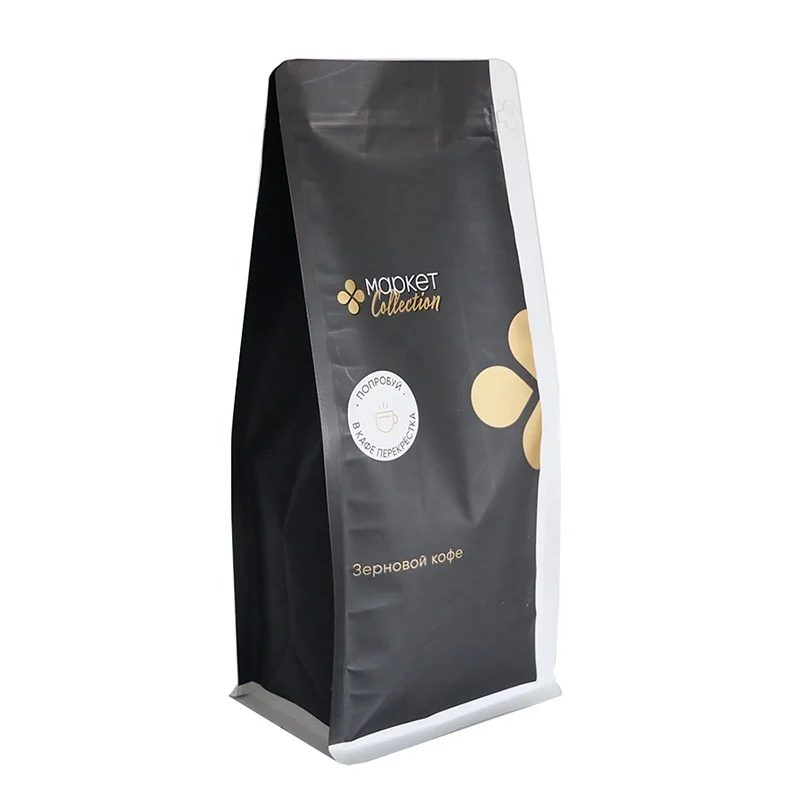
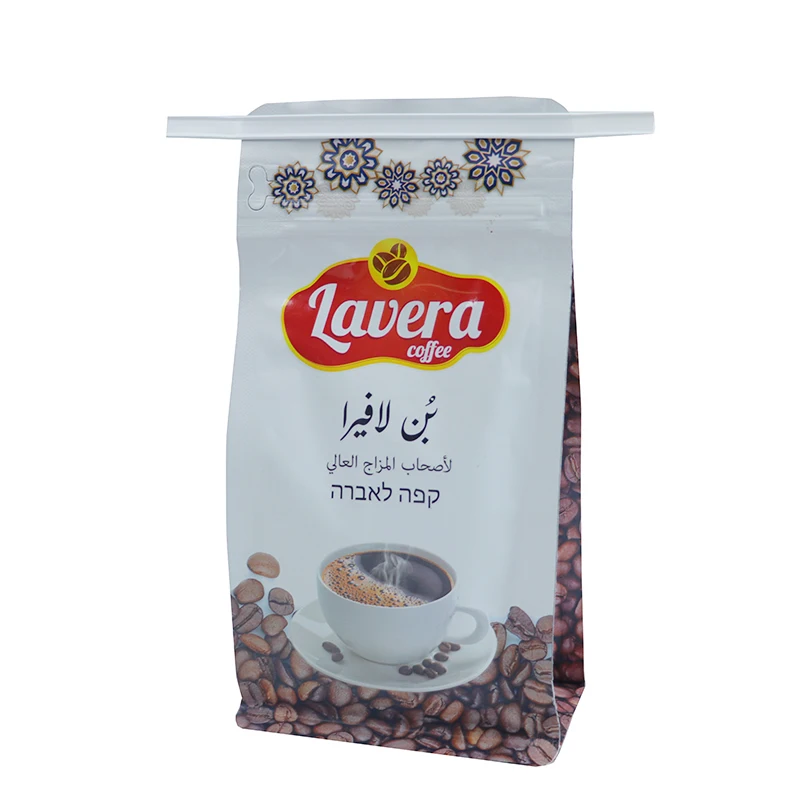
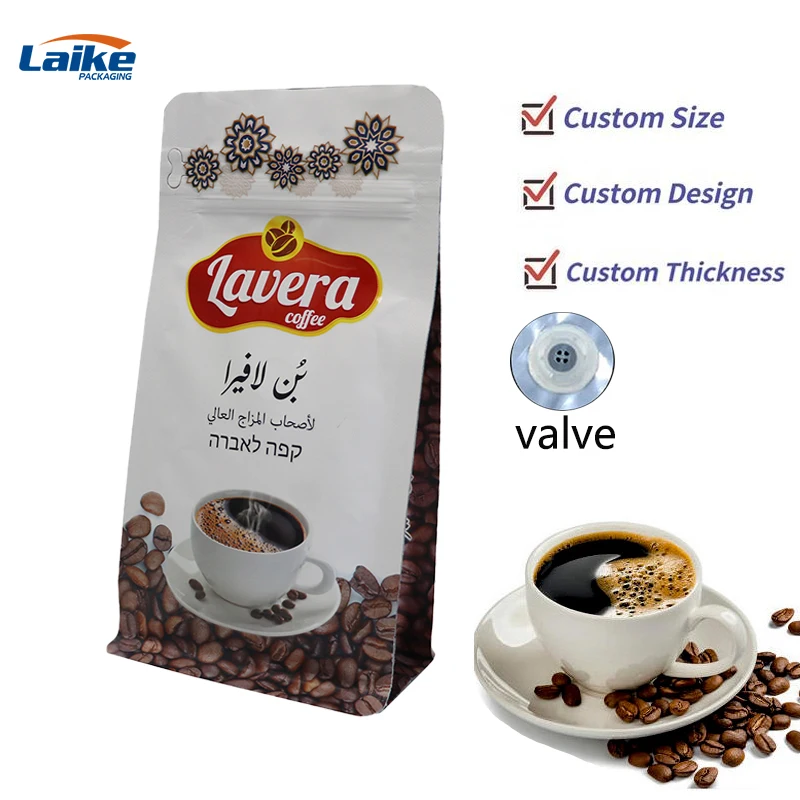
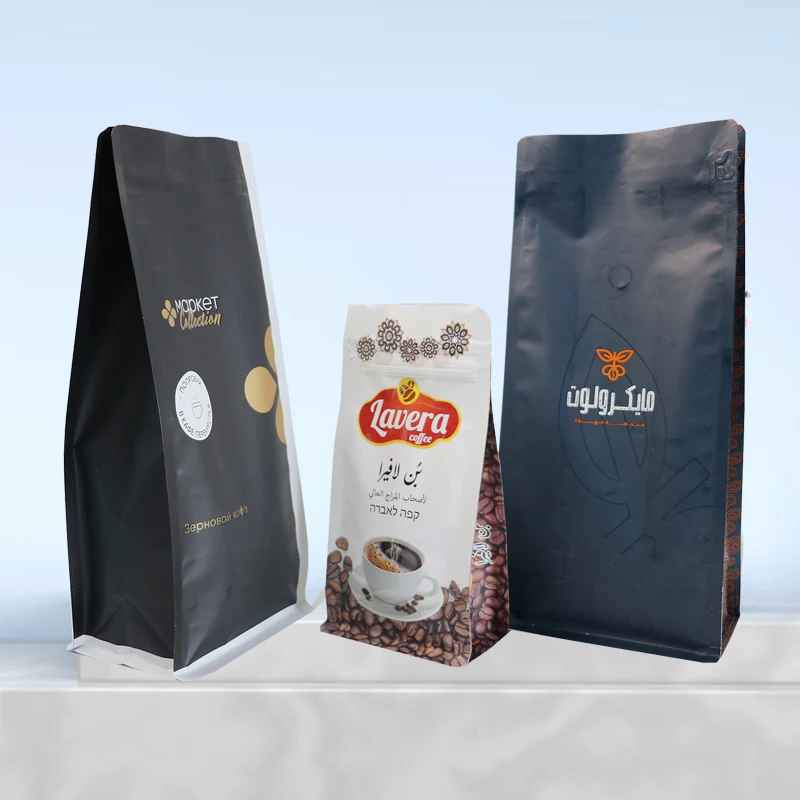
Coffee is as much about storytelling as it is about flavor. Roasters want to share the origin of their beans (whether from a small farm in Ethiopia or a cooperative in Colombia), their roasting process, and their brand’s mission—and the coffee bag is the perfect canvas for that. Modern coffee bags offer custom printing, embossing, and labeling that turn a simple bag into a marketing tool.
Standout coffee bag solutions include custom branding options designed to help roasters stand out. They offer full-color printing (using eco-friendly inks) that can reproduce high-quality images of coffee farms, roasters, or brand logos on coffee bags. Some also include embossing (for a tactile, premium feel) and window cutouts (to showcase the beans) that add visual interest to coffee bags. For small-batch roasters, this customization is a game-changer—it lets them compete with larger brands by creating a memorable, premium unboxing experience for consumers through their coffee bags.
What Makes Standout Coffee Bags a Top Choice for Roasters and Businesses
With so many packaging suppliers on the market, why do roasters—from small craft operations to large-scale brands—choose exceptional coffee bag solutions? The answer lies in their focus on quality, flexibility, and customer support.
1. Quality That You Can Trust
Top coffee bag designs don’t cut corners on materials. These coffee bags use food-grade, BPA-free materials that meet global safety standards (like FDA and EU regulations), ensuring that no harmful chemicals leach into the coffee. Every batch of coffee bags is tested for durability—subjected to pressure tests (to check for leaks) and puncture tests (to ensure they can withstand shipping and handling). This commitment to quality means roasters can trust that their coffee will arrive at consumers’ doors in perfect condition, protected by reliable coffee bags.
2. Flexibility for Every Business Size
Whether you’re a small roaster making 50 coffee bags a week or a large brand producing 10,000, leading coffee bag solutions have options for you. They offer low minimum order quantities (MOQs)—starting at just 100 coffee bags—for small businesses, who often struggle to find suppliers that don’t require bulk orders. For larger brands, they provide custom-sized coffee bags (from 2oz sample bags to 5lb bulk sacks) and faster turnaround times (as little as 7–10 days for standard orders). This flexibility makes quality coffee bags accessible to every segment of the market, from startups to established players.
3. Customer Support That Goes Beyond “Selling a Coffee Bag”
Exceptional coffee bag providers don’t just sell packaging—they partner with roasters to help them find the right coffee bag solution. Their team of packaging experts works with customers to understand their needs: whether they’re looking for a sustainable coffee bag option, a bag with a specific closure, or custom branding on coffee bags. They even offer coffee bag samples (free for qualified customers) so roasters can test the bags before placing a large order. This level of support is rare in the packaging industry, and it’s why so many roasters return to trusted providers for their coffee bag needs.
How to Choose the Right Coffee Bag for Your Needs
Whether you’re a roaster looking to package your beans or a consumer wanting to store coffee at home, choosing the right coffee bag is key to preserving freshness. Here’s what to look for:
Final Thoughts: The Coffee Bag’s Role in a Great Cup
Coffee is a labor of love: from the farmer who tends to the plants, to the roaster who carefully crafts the flavor, to the barista who brews the perfect cup. The coffee bag is the final step in that journey—a protector of quality, a communicator of value, and a bridge between the people who make coffee and the people who enjoy it.
Standout coffee bag solutions understand this role, and their designs reflect a commitment to excellence. They don’t just make coffee bags—they make it possible for roasters to share their passion with the world, and for consumers to savor the full, rich flavor of freshly roasted coffee. In a world where convenience often trumps quality, the coffee bag is a reminder that the little details matter.
So the next time you open a coffee bag and breathe in that rich aroma, take a moment to appreciate the bag itself. It’s not just a container—it’s the unsung hero that made that perfect cup possible. Whether you’re a roaster looking to elevate your packaging or a consumer seeking the freshest beans, quality coffee bags offer the solutions you need to honor the art of coffee.

 EN
EN