Rice Bags: The Unsung Guardian of Grain Freshness and Global Food Security
In the tapestry of global agriculture and food supply chains, rice stands as a staple crop feeding over half the world’s population. Yet, the journey of rice from paddy fields to dinner tables hinges on one often-overlooked hero: the rice bag. Far beyond a simple container, modern rice bags are engineered to preserve texture, block pests, resist moisture, and ensure that every grain—whether long-grain basmati, short-grain sushi rice, or fragrant jasmine—reaches consumers as fresh as the day it was harvested. As rice production scales to meet growing demand and consumers demand higher quality, rice bags have evolved from basic sacks into precision-designed solutions, blending durability, functionality, and sustainability. Let’s explore how rice bags protect this vital staple, the innovations that define their design, and why they’re indispensable to farmers, distributors, and home cooks alike.
The Evolution of Rice Bags: From Burlap to High-Tech Barriers
A century ago, rice was primarily stored and transported in burlap sacks—rough, porous bags made from jute fibers. While burlap was affordable and breathable, it fell short in protecting rice: it absorbed moisture (leading to mold and clumping), allowed insects to burrow through (destroying up to 20% of stored rice), and tore easily during handling. For farmers and distributors, this meant significant grain loss; for consumers, it meant buying rice that was stale, infested, or compromised in quality.
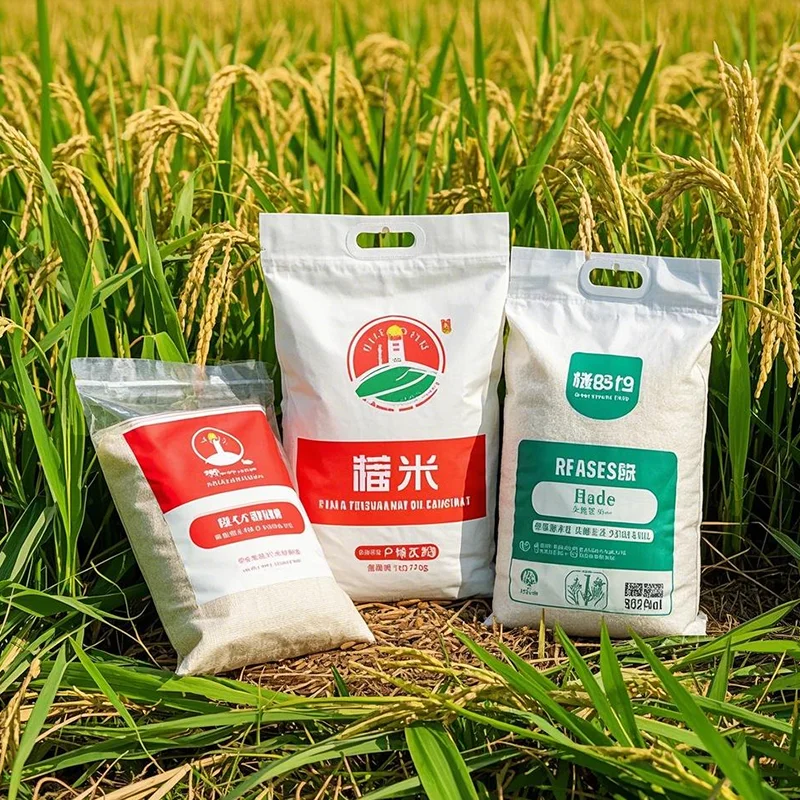
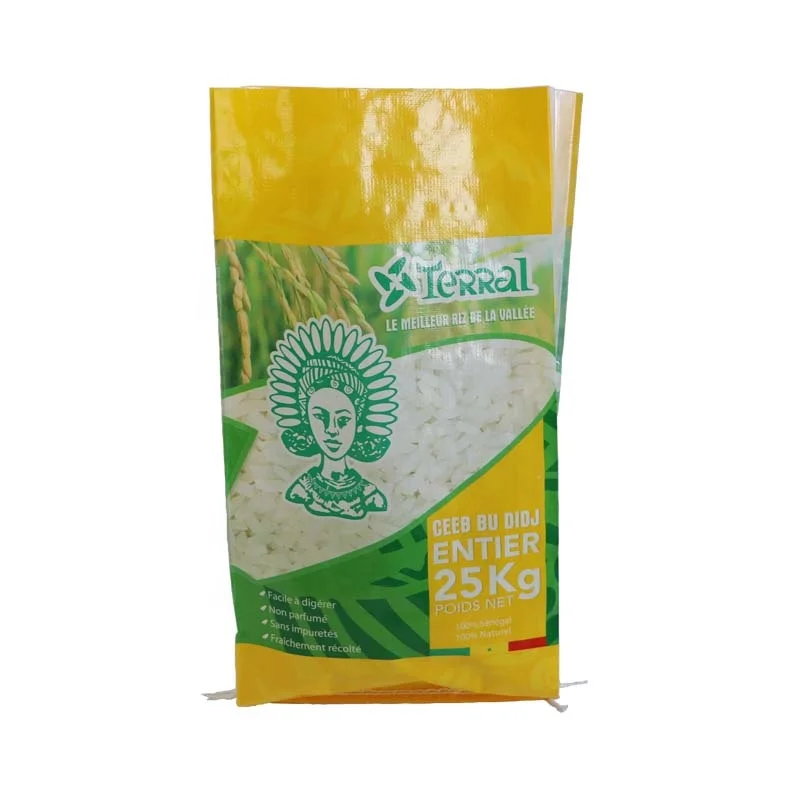
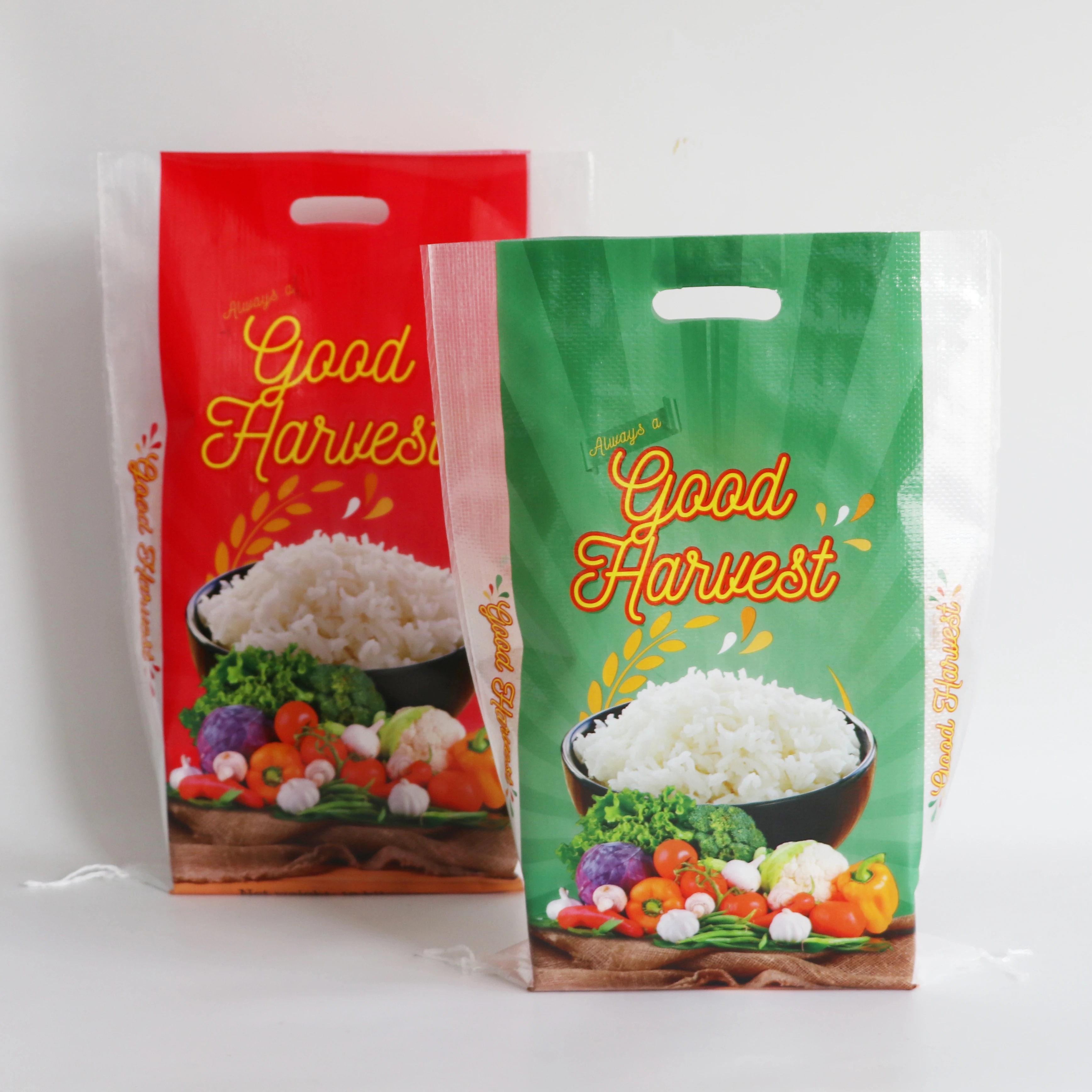
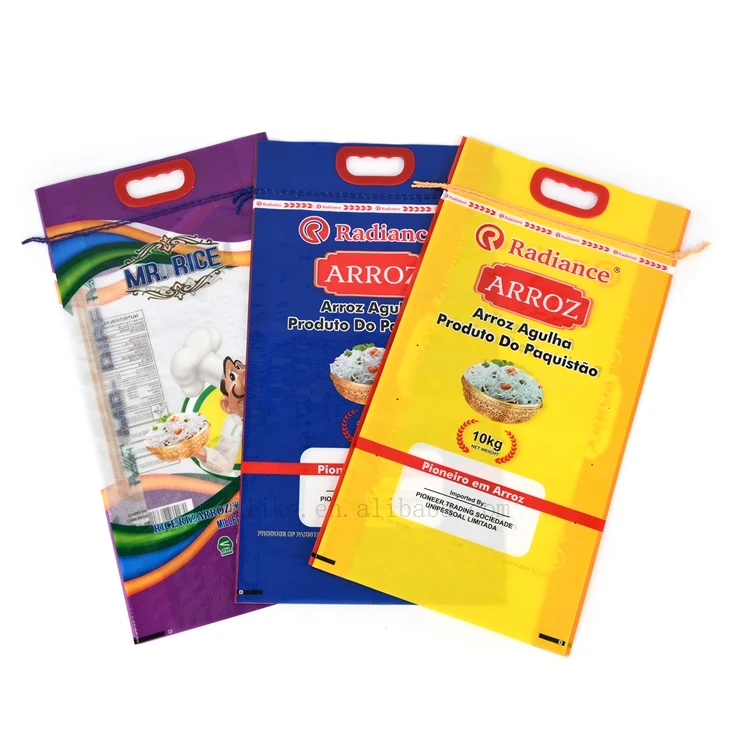
Today’s rice bags have left burlap behind, embracing materials that address these critical flaws. The most common and effective choice is woven polypropylene (WPP)—a synthetic material celebrated for its strength, water resistance, and versatility. Woven polypropylene rice bags are made by interlocking polypropylene strands into a tight, flexible weave, creating a barrier that repels water, resists tears, and blocks pests. Unlike burlap, WPP doesn’t absorb humidity, so rice stays dry even in tropical climates or damp storage facilities. It’s also lightweight yet durable: a standard 50-pound rice bag can withstand being stacked 10 high in warehouses, loaded onto trucks, and carried across markets without breaking or spilling.
A pivotal innovation in modern rice bags is the addition of specialized liners. These liners—typically made from food-grade polyethylene or laminated films—add an extra layer of protection against moisture, oxygen, and odors. For polished white rice (which is stripped of its protective bran layer and prone to oxidation), liners lock in freshness by blocking oxygen, preventing the rice from turning stale or developing a rancid taste. For fragrant rice varieties like jasmine or basmati, liners trap aromatic compounds, ensuring that the rice’s signature scent remains intact until the bag is opened. Even for brown rice (which has a higher oil content and shorter shelf life), liners slow oxidation, extending its usability from a few months to over a year.
Tailored for Every Rice Type: Bags Designed to Preserve Unique Qualities
Not all rice is the same—and neither are the bags that hold it. Different rice varieties have distinct textures, moisture sensitivities, and storage needs, requiring specialized bag designs to maintain their quality. Leading manufacturers now create rice bags tailored to specific types, ensuring that each grain retains its unique characteristics.
Long-Grain Rice Bags: Protecting Fluffiness and Separation
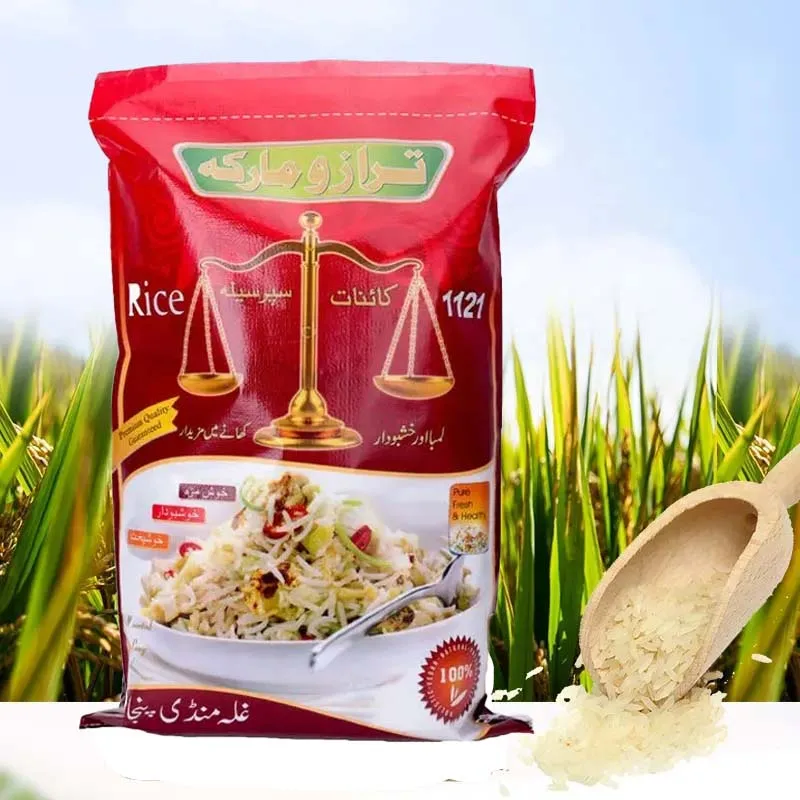
Long-grain rice (such as basmati, Carolina gold, or indica) is prized for its fluffy texture and tendency to stay separate when cooked. But it’s also highly absorbent—even small amounts of moisture can make it clump, ruining its light consistency. Long-grain rice bags address this with multi-layer moisture barriers: an outer woven polypropylene layer that repels external humidity, paired with an inner polyethylene liner that locks out residual moisture. Many designs also include “breathable micro-pores” in the liner—small enough to block water vapor but large enough to release any trapped condensation, preventing mold growth. This ensures that long-grain rice remains dry and free-flowing, ready to cook into fluffy, separate grains.
Short-Grain Rice Bags: Maintaining Stickiness and Freshness
Short-grain rice (like sushi rice, Arborio, or glutinous rice) is valued for its sticky texture, which comes from its high amylopectin content. But this starch-rich composition also makes it prone to drying out—exposure to air can make short-grain rice hard and brittle, losing its ability to stick together. Short-grain rice bags solve this with oxygen-barrier liners, often made from laminated films that reduce oxygen penetration by up to 99%. Some bags also feature “resealable zippers” (a boon for home cooks), allowing users to seal the bag tightly after each use, locking in moisture and freshness. For commercial buyers (like sushi restaurants), large-format short-grain rice bags may include “easy-pour spouts” to control portioning, preventing spills and reducing waste.
Fragrant Rice Bags: Trapping Aromatic Compounds
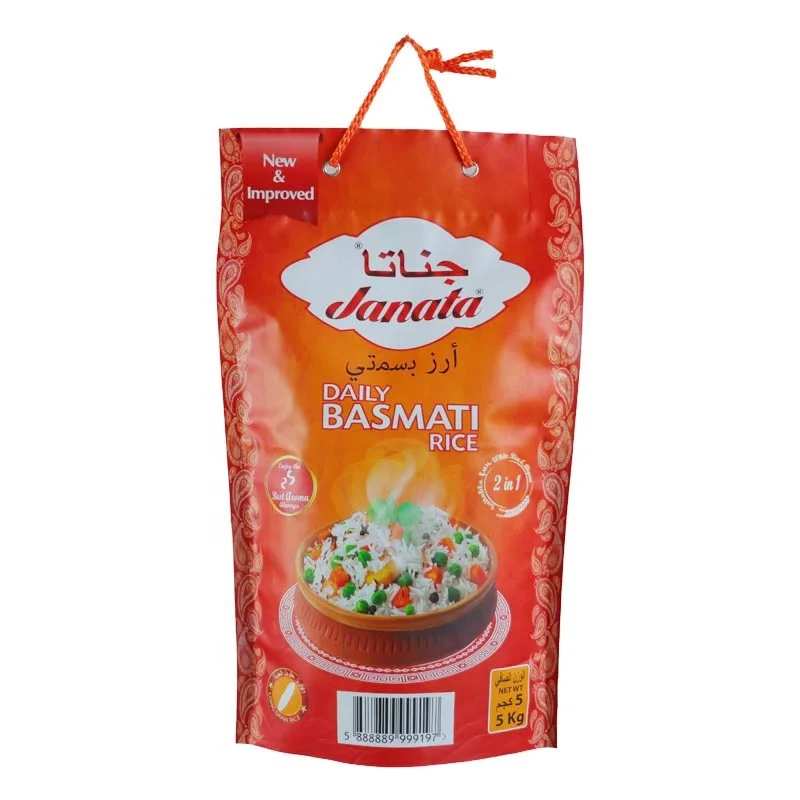
Fragrant rice varieties (jasmine, basmati, or Thai fragrant rice) derive their appeal from volatile aromatic oils—compounds that dissipate quickly when exposed to air. A jasmine rice bag that’s poorly sealed can lose its signature floral scent in weeks, turning a premium product into ordinary rice. Fragrant rice bags are designed with hermetic seals (created via heat-sealing technology) that lock in aromatic oils, ensuring the rice smells as fragrant as the day it was milled. Many also use opaque woven polypropylene to block UV light, which breaks down aromatic compounds over time. For consumers, this means opening a bag of jasmine rice months after purchase and still being greeted by its iconic scent.
Key Material and Design Features of High-Performance Rice Bags
What makes a rice bag “high-performance”? It’s the combination of materials, construction, and functional details that address the unique challenges of storing and transporting rice. Below are the critical features that define top-tier rice bags:
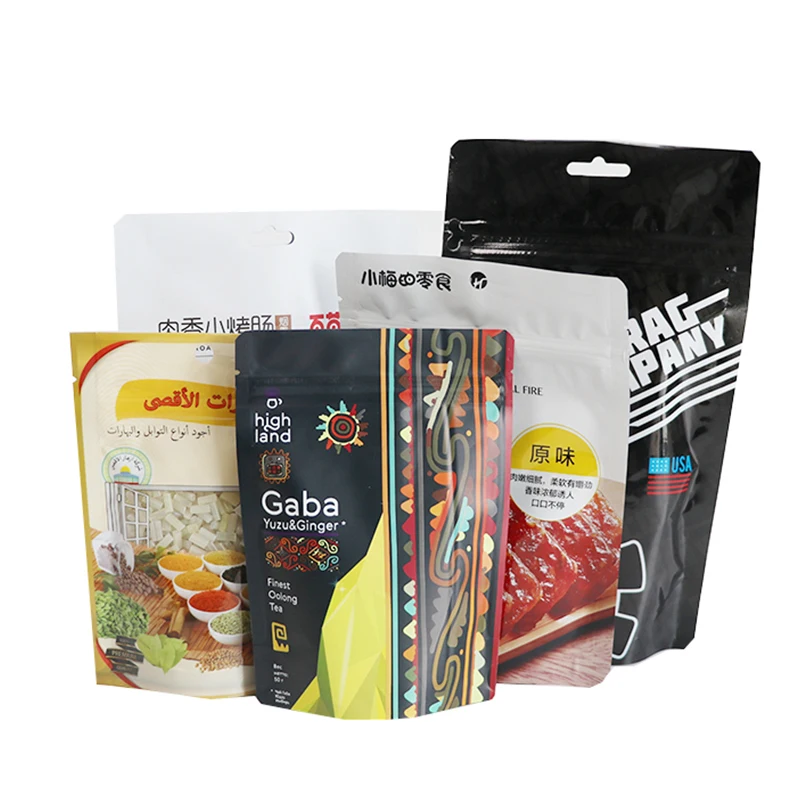
UV-resistant inks ensure that this information remains legible even after months of storage or exposure to sunlight—no more faded labels or unreadable instructions. For brands, customizable printing also lets them add logos or storytelling elements (like images of rice paddies), helping consumers connect with the product’s origin.
Sustainability: Rice Bags Embracing Eco-Friendly Practices
As the global food industry shifts toward sustainability, rice bag manufacturers are innovating to reduce environmental impact—without compromising performance. These efforts focus on three key areas: reducing plastic waste, using recycled materials, and improving recyclability.
Recycled and Reusable Materials
Many manufacturers now offer rice bags made from recycled polypropylene—material sourced from post-consumer plastic waste (like old water bottles or packaging). These recycled rice bags meet the same durability standards as virgin plastic but use 25% less energy to produce, cutting greenhouse gas emissions. Woven polypropylene rice bags are also inherently reusable: after emptying, consumers can clean them (with mild soap and water) and repurpose them for storing grains, toys, or tools. In many developing countries, rice bags are even stitched into tote bags or used as waterproof covers for crops—extending their lifecycle and keeping them out of landfills.
Compostable and Biodegradable Options
For brands focused on zero-waste goals, there are now compostable rice bags made from plant-based materials like cornstarch or sugarcane fiber. These bags break down naturally in industrial compost facilities within 3–6 months, leaving no toxic residues. While compostable bags are currently more expensive than WPP, they’re gaining popularity among organic rice brands and eco-conscious consumers. Some manufacturers also offer “hybrid” bags: a compostable inner liner paired with a recyclable outer WPP layer, balancing sustainability with durability.
Reduced Packaging Waste
Another sustainability trend is right-sized packaging. Manufacturers now offer rice bags in smaller quantities (e.g., 1-pound bags for single-person households, 5-pound bags for small families) instead of only large 25–50 pound sacks. This reduces overbuying: consumers no longer have to purchase more rice than they can use before it goes stale, cutting down on food waste and the number of bags needed. Additionally, some brands use “lightweight WPP” (thinner but still strong) to reduce the amount of plastic per bag—further minimizing material use.
How to Choose the Right Rice Bag: For Farmers, Distributors, and Consumers
Selecting the optimal rice bag depends on your role in the supply chain, the rice variety, and your sustainability goals. Here’s a guide to making the right choice:
For Farmers and Distributors
Prioritize durability: Choose woven polypropylene bags with reinforced seams for large-scale shipping and stacking. For humid regions, add moisture-barrier liners to prevent mold.
Consider pest resistance: If storing rice for months, opt for bags with anti-insect liners or treat bags with food-safe repellents to avoid infestations.
Think about branding: Use printable BOPP-laminated bags to display origin, certifications, and brand logos—this builds trust with retailers and consumers.
For Consumers
Check for freshness features: Look for bags with resealable zippers (to keep rice fresh after opening) and oxygen-barrier liners (for fragrant or polished rice).
Avoid transparent bags: Transparent plastic allows UV light to damage rice, so opt for opaque or colored bags to preserve quality.
Choose sustainable options: If possible, select recycled polypropylene bags or compostable liners to reduce your environmental footprint.
Conclusion: Rice Bags as Indispensable Partners in Food Security
The modern rice bag is far more than a container—it’s a critical link in the global food supply chain, protecting a staple crop that feeds billions. By preserving rice quality, reducing waste, and enabling safe transport, high-performance rice bags ensure that farmers get fair value for their crops, distributors minimize losses, and consumers enjoy fresh, flavorful rice at home. In a world where food security is increasingly challenged by climate change and population growth, the role of rice bags becomes even more vital: they help reduce post-harvest loss (which accounts for 10–15% of global rice production) and ensure that rice reaches the communities that need it most.
As manufacturers continue to innovate—developing more sustainable materials, specialized designs for niche rice varieties, and smarter features for consumers—rice bags will keep evolving. For farmers, distributors, and consumers alike, investing in the right rice bag isn’t just a practical choice—it’s an investment in global food security and a more sustainable future.
In the end, the rice bag reminds us that every detail in the food supply chain matters. From the paddy to the plate, every component—including the humble bag—works together to ensure that rice remains a reliable, nutritious staple for generations to come.


 EN
EN
