
Fertilizer Bags: The Unsung Guardians of Agricultural Efficiency and Sustainability
In the intricate ecosystem of modern agriculture, where every detail impacts crop yield and environmental health, one component often overlooked is the humble fertilizer bag. Yet, these seemingly simple containers play a pivotal role in preserving the potency of fertilizers, ensuring precise application, and minimizing environmental waste. As farming practices evolve to meet the demands of a growing global population, the design and functionality of fertilizer bags have undergone remarkable innovations. Today’s fertilizer bags are engineered marvels, balancing durability, usability, and sustainability to support both large-scale agricultural operations and small-scale farmers. Let’s explore how modern fertilizer bags—crafted with advanced materials and cutting-edge technology—are transforming the way we protect, transport, and apply essential nutrients to crops.
The Evolution of Fertilizer Bags: From Basic Sacks to Engineering Solutions
Gone are the days when fertilizer bags were merely rough,single-layer sacks that tore easily, leaked nutrients, and failed to protect their contents from moisture or contamination. The shift toward high-performance fertilizer bags reflects the agricultural industry’s recognition that packaging directly impacts fertilizer efficacy and farmer productivity.
Modern fertilizer bags are typically constructed from premium polypropylene—a material chosen for its exceptional strength, resistance to tearing, and ability to withstand harsh environmental conditions. Unlike traditional paper or low-grade plastic bags that degrade quickly in sunlight or damp storage areas, polypropylene-based fertilizer bags maintain their integrity even in extreme temperatures, heavy rainfall, or prolonged exposure to UV rays. This durability ensures that fertilizers remain protected from production facilities to farm storage sheds, preserving their chemical composition and nutrient value.
A key innovation in contemporary fertilizer bag design is the integration of specialized liners. These liners—often made from food-grade polyethylene or laminated materials—create an additional barrier against moisture, oxygen, and external contaminants. For water-soluble fertilizers or blends sensitive to humidity (such as urea-based products), this lining is critical: it prevents clumping, caking, or chemical breakdown that would render the fertilizer ineffective. The liners also simplify handling for farmers, allowing for cleaner, more controlled pouring without the risk of fertilizer dust escaping into the air—a significant improvement for both user safety and environmental protection.
Tailored Solutions: Fertilizer Bags Designed for Specific Nutrient Formulas
Not all fertilizers are created equal, and neither are the bags that contain them. Leading manufacturers recognize that different fertilizer types—each with unique chemical properties and application requirements—demand specialized packaging solutions. This customization ensures that every fertilizer maintains its potency from production to application.
NPK Fertilizer Bags: Balancing Complex Nutrient Blends
NPK fertilizers—containing nitrogen (N), phosphorus (P), and potassium (K)—are the workhorses of modern agriculture, providing a balanced mix of essential nutrients for diverse crops. However, these blends are often sensitive to moisture, which can cause nutrient segregation or chemical reactions that reduce their effectiveness. Fertilizer bags designed for NPK formulas feature reinforced polypropylene exteriors and moisture-resistant liners that create a hermetically sealed environment. This prevents water vapor from entering the bag, even in humid climates, ensuring the NPK ratio remains consistent and the fertilizer dissolves evenly when applied.
Urea Fertilizer Bags: Protecting a Volatile Nutrient
Urea, a nitrogen-rich fertilizer critical for promoting leafy growth in plants, is highly hygroscopic—meaning it absorbs moisture from the air. This characteristic makes urea prone to caking, which can clog spreaders and result in uneven application. Urea-specific fertilizer bags address this challenge with multi-layered construction: an outer woven polypropylene layer for strength, a middle barrier layer to block moisture, and an inner liner that minimizes static electricity (which can cause urea particles to cling to the bag). These features keep urea free-flowing, ensuring farmers can apply it precisely and efficiently.
Phosphate Fertilizer Bags: Withstanding Abrasive Particles
Phosphate fertilizers, essential for root development and flowering, often come in granular or powdered forms that can be abrasive. Over time, these particles can wear through thin packaging, leading to leaks and nutrient loss. Fertilizer bags designed for phosphates are constructed with thicker woven polypropylene and reinforced seams, able to withstand the constant friction of granular materials during transportation and handling. Additionally, their liners are treated to resist chemical interactions with phosphate compounds, preserving the fertilizer’s integrity and preventing the bag from becoming brittle over time.
Material Innovations: Beyond Basic Woven Bags
The modern fertilizer bag market offers a range of material options, each tailored to specific needs—from cost-effectiveness to enhanced protection. Understanding these options helps farmers and distributors choose the right packaging for their operations.
Woven Polypropylene (WPP) Bags: The Standard for Durability
Woven polypropylene bags are the industry standard for many fertilizers, prized for their strength-to-weight ratio and breathability. The woven construction—created by interlocking polypropylene strands—resists tearing and puncturing, even when filled with heavy granular fertilizers. WPP bags are also lightweight, reducing transportation costs, and can be reused multiple times, making them a cost-effective and eco-friendly choice for bulk fertilizer storage.
BOPP Laminated Bags: Combining Strength with Printability
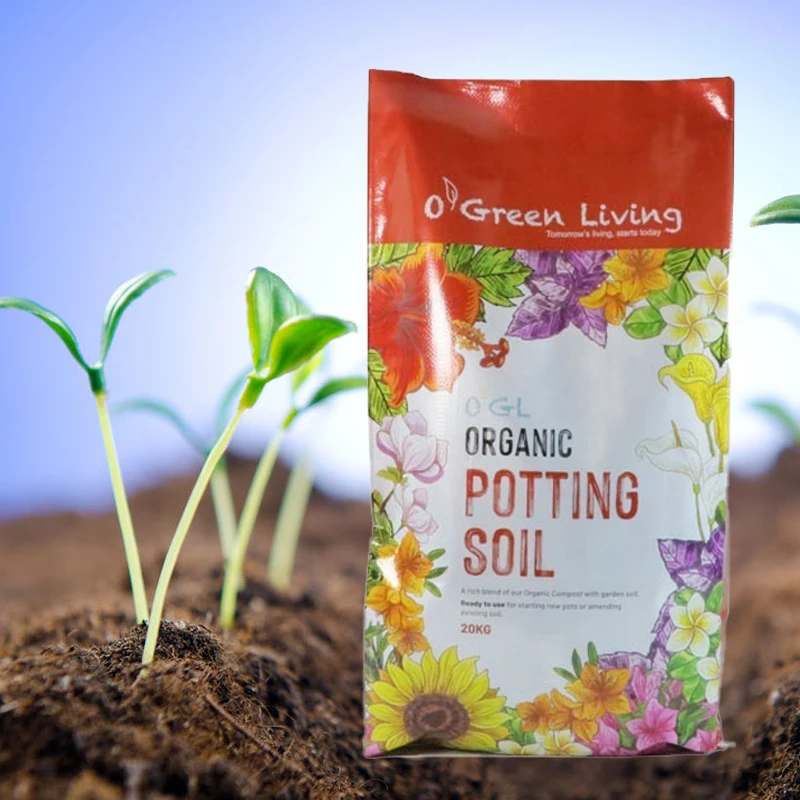
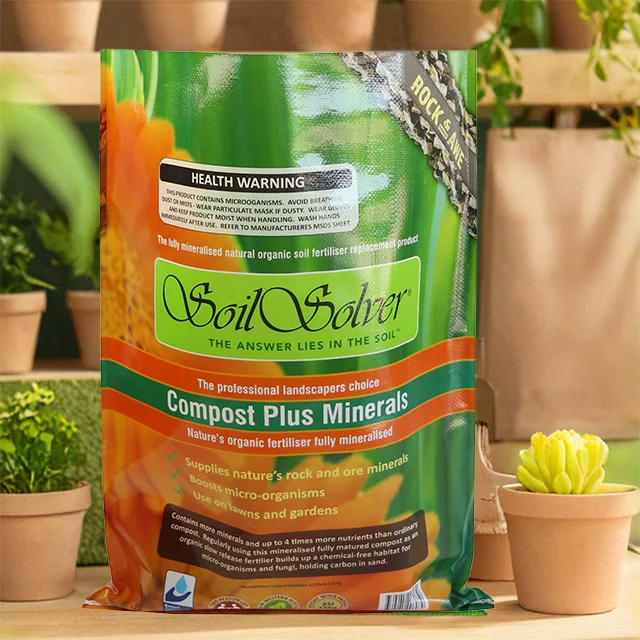
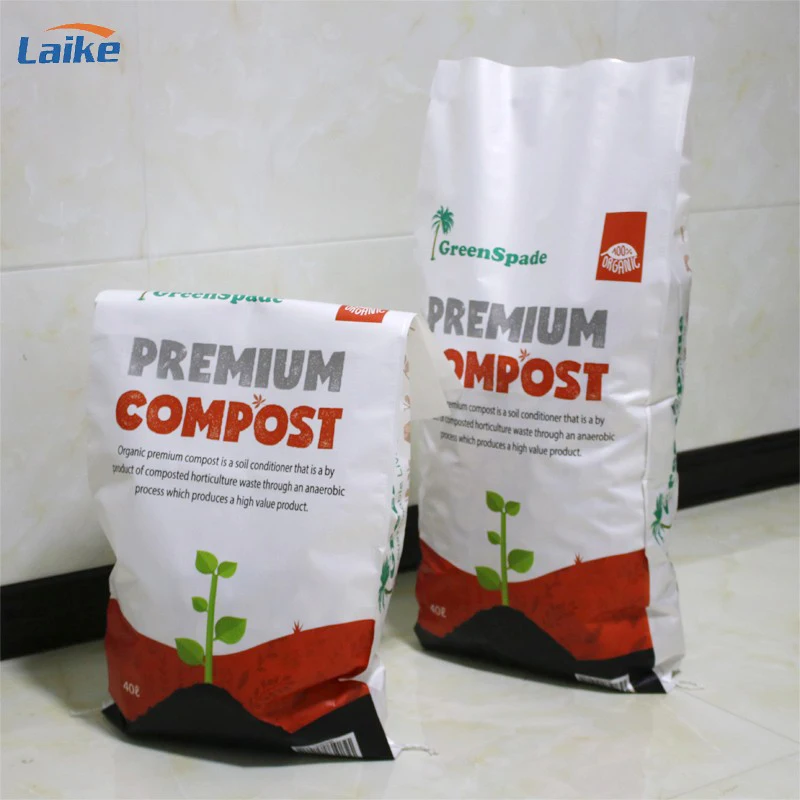
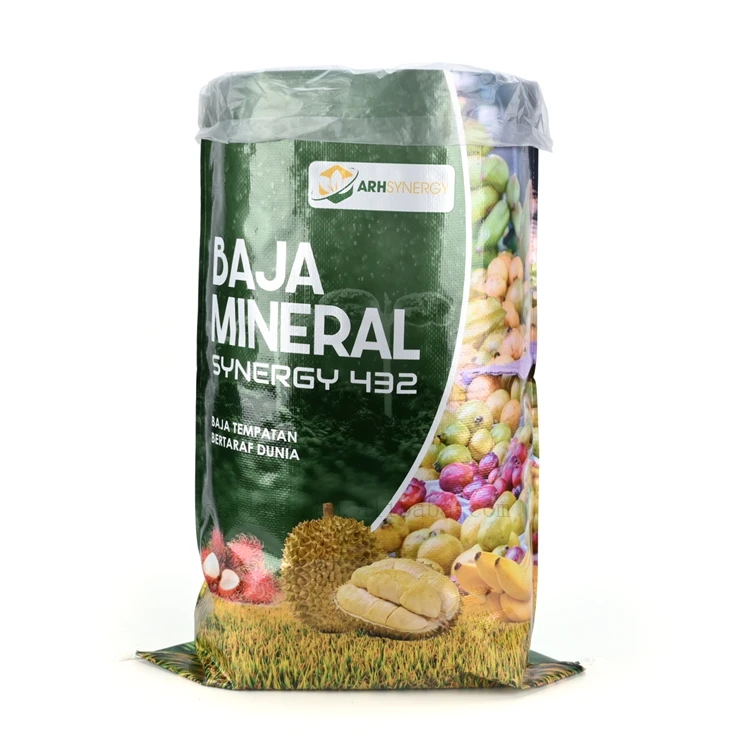
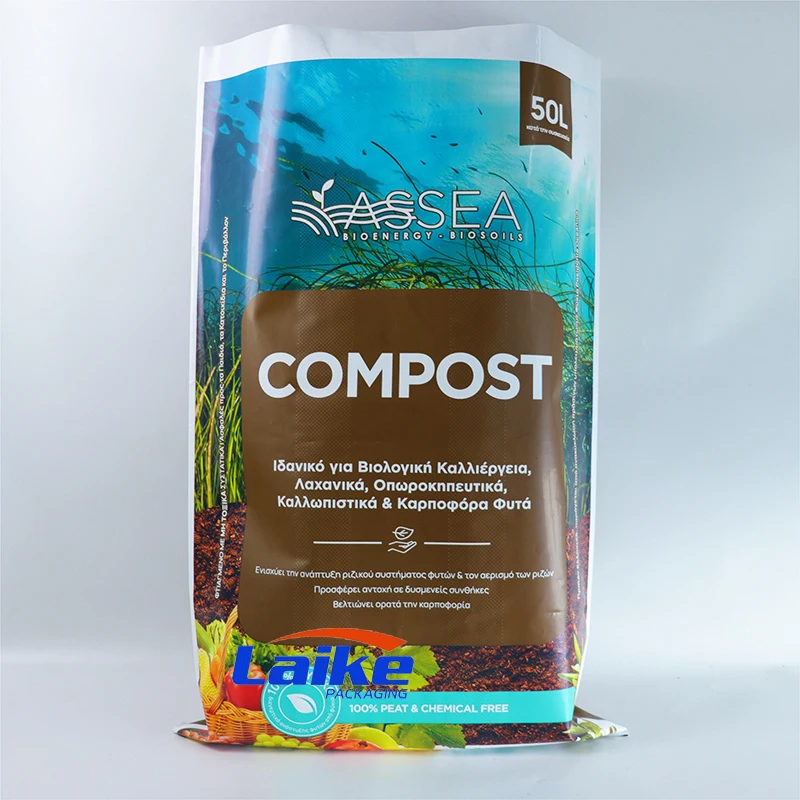
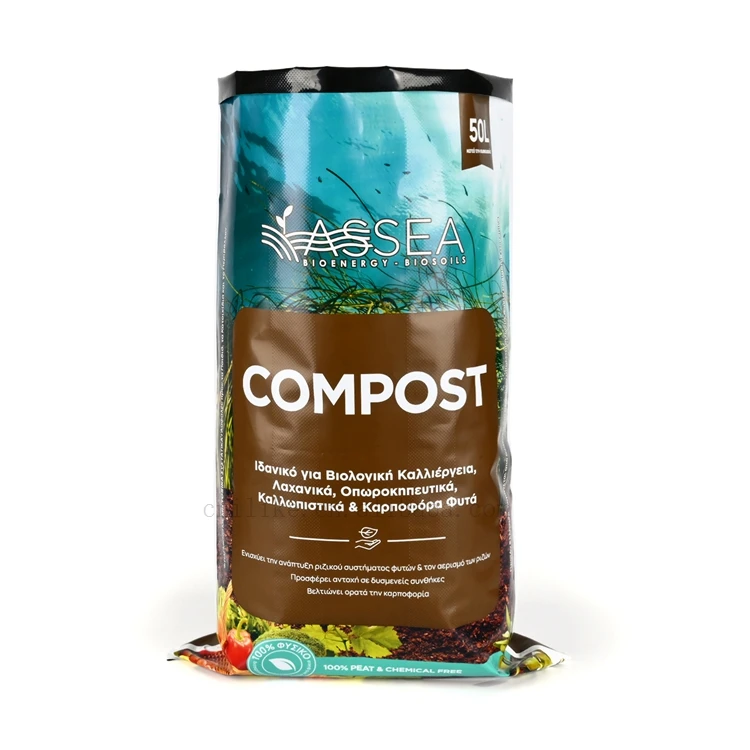
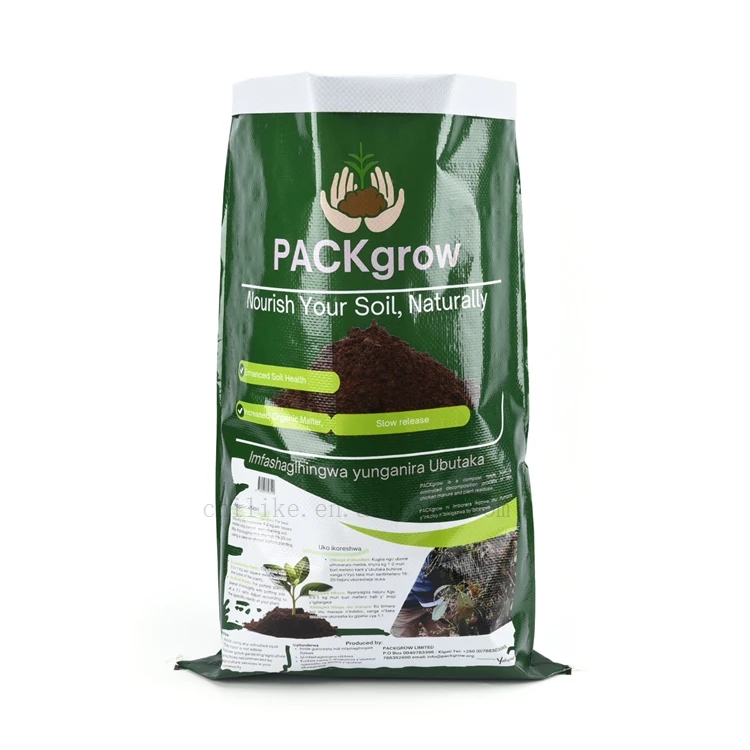
Biaxially Oriented Polypropylene (BOPP) laminated bags take durability a step further by adding a thin, clear laminate layer to the woven polypropylene. This laminate enhances the bag’s moisture resistance and creates a smooth surface ideal for high-quality printing. For fertilizer brands looking to communicate product information, application instructions, or safety warnings, BOPP laminated bags offer crisp, long-lasting graphics that remain legible even after exposure to dirt, rain, or sunlight.
Adhesive-Lined Bags: Ensuring Airtight Protection
Adhesive-lined fertilizer bags feature a heat-sealable lining that creates an airtight seal when closed, making them ideal for moisture-sensitive fertilizers like urea or water-soluble blends. The adhesive lining eliminates the need for additional ties or clips, simplifying sealing and reducing the risk of accidental openings during transport. This design also minimizes nutrient loss from spills, ensuring farmers get the full value from every bag of fertilizer.
Compliance and Communication: Fertilizer Bags as Informative Tools
In an industry governed by strict regulations, fertilizer bags serve as more than just containers—they are critical tools for compliance and consumer education. Regulatory bodies worldwide mandate that fertilizer packaging includes specific information, such as nutrient content, application rates, safety precautions, and environmental handling instructions. Modern fertilizer bags are designed to meet these requirements seamlessly, with features that enhance readability and information accessibility.
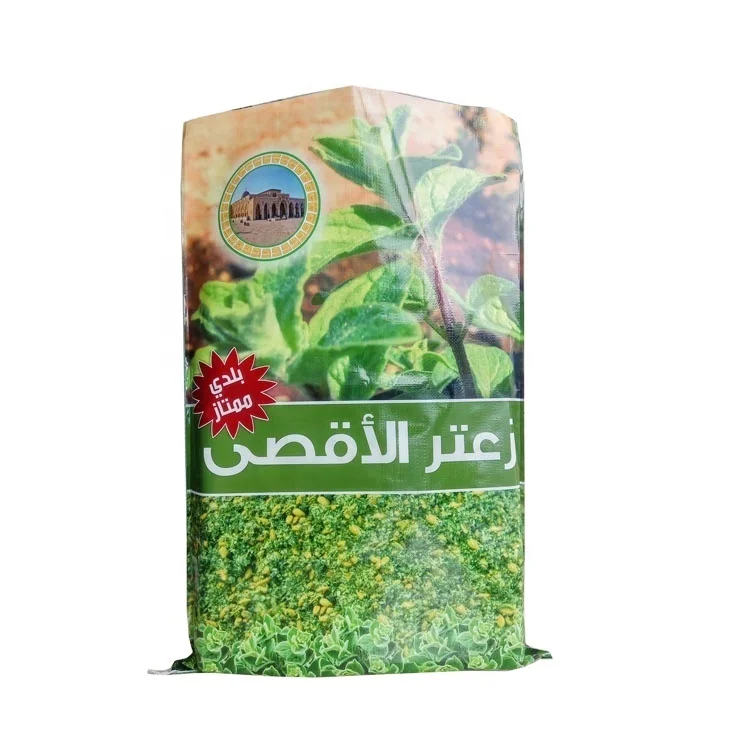
Manufacturers now use advanced printing technologies to apply high-resolution text and graphics to fertilizer bags, ensuring that even small print (such as safety warnings or regulatory codes) remains legible. UV-resistant inks prevent fading, so information stays intact throughout the bag’s lifecycle—from warehouse storage to field application. For international markets, where labeling requirements vary, customizable printing allows brands to include multilingual instructions, ensuring compliance and usability across borders.
Beyond regulatory compliance, these printing capabilities enable fertilizer brands to educate users. Many bags now feature QR codes that link to online resources, such as video tutorials on proper application, soil testing guides, or sustainability practices. This integration of digital tools transforms the fertilizer bag into an interactive educational resource, empowering farmers to make informed decisions about nutrient use.
Sustainability: Fertilizer Bags Embracing Eco-Friendly Practices
As the agricultural industry shifts toward more sustainable practices, fertilizer bag manufacturers are innovating to reduce environmental impact without compromising performance. These efforts address two key concerns: reducing plastic waste and minimizing the carbon footprint of packaging production.
Many companies now offer fertilizer bags made from recycled polypropylene, reducing reliance on virgin plastics and diverting waste from landfills. These recycled bags maintain the same strength and protective qualities as their non-recycled counterparts, proving that sustainability and functionality can coexist. Additionally, some manufacturers are developing biodegradable liners for fertilizer bags, designed to break down naturally after use, reducing the environmental impact of discarded packaging.
Reusability is another focus area. Durable woven polypropylene fertilizer bags are increasingly designed for multiple uses—farmers can repurpose them for storing seeds, grains, or tools after emptying, extending their lifecycle and reducing waste. Some manufacturers even offer take-back programs, collecting used bags for recycling into new packaging, creating a circular economy for fertilizer bag materials.
Choosing the Right Fertilizer Bag: Key Considerations for Farmers and Distributors
Selecting the optimal fertilizer bag depends on several factors, including the type of fertilizer, storage conditions, transportation needs, and environmental goals. Here are key considerations to guide the decision:
Conclusion: Fertilizer Bags as Partners in Agricultural Success
The modern fertilizer bag is far more than a container—it is a critical component of agricultural efficiency, nutrient preservation, and environmental stewardship. From protecting sensitive nutrient blends to ensuring regulatory compliance, from simplifying farmer workflows to reducing environmental impact, these engineered solutions play an indispensable role in modern farming.
As manufacturers continue to innovate—developing stronger materials, more sustainable designs, and smarter communication features—fertilizer bags will only grow in importance. For farmers, choosing the right fertilizer bag is no longer an afterthought but a strategic decision that impacts crop health, operational efficiency, and long-term sustainability.
In the end, the humble fertilizer bag stands as a testament to agriculture’s ability to innovate at every level, proving that even the most overlooked tools can make a significant difference in feeding the world responsibly.

 EN
EN