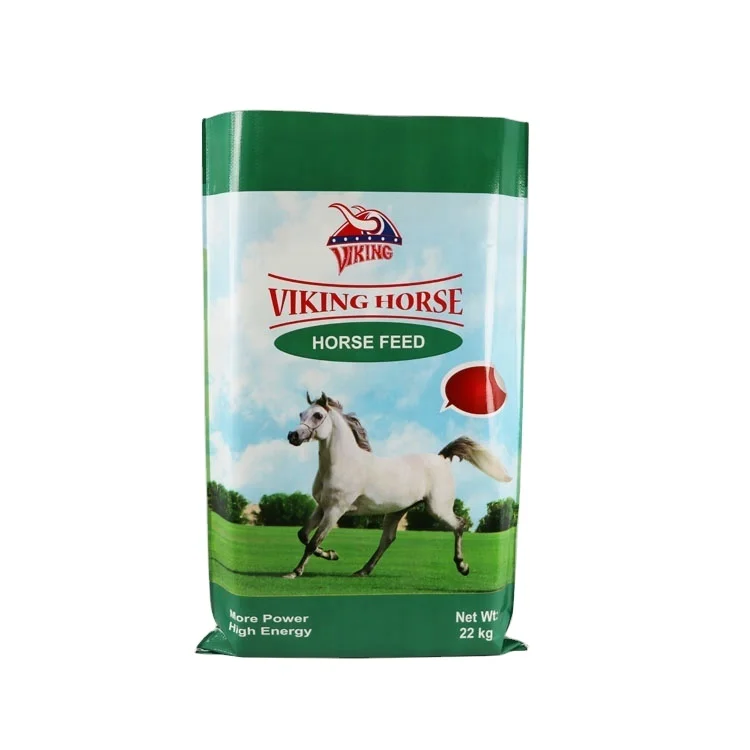
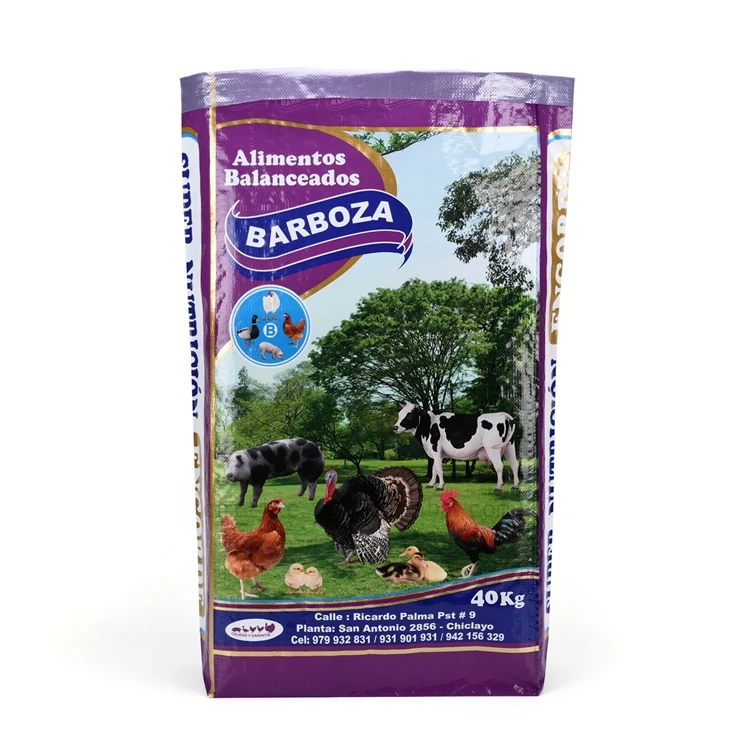
Feed Bags: The Essential Link Between Quality Nutrition and Healthy Livestock
In the dynamic world of animal husbandry—where the health of livestock directly impacts farm productivity, food safety, and profitability—one often-underappreciated component plays a critical role: the feed bag. Far from being a simple “holding container,” modern feed bags are engineered to preserve the nutritional integrity of animal feed, simplify handling for farmers, and reduce waste that would otherwise harm both budgets and the environment. As livestock farming evolves to meet stricter quality standards and sustainability goals, feed bags have undergone remarkable innovations—from material upgrades to functional designs tailored for different feed types. Whether for poultry, cattle, swine, or specialty animals, the right feed bag ensures that every pound of feed retains its vitamins, minerals, and palatability from the manufacturer to the trough. Let’s explore how feed bags have become indispensable tools for farmers, the key features that define high-performance options, and why they matter for the future of responsible livestock care.
The Evolution of Feed Bags: From Basic Sacks to Nutrient Protectors
Not long ago, feed bags were often made from thin, porous materials like burlap or low-grade plastic—materials that offered little protection against the elements. These basic sacks would tear easily during transport, let moisture seep in (causing feed to mold), and expose nutrients to oxygen (leading to oxidation and nutrient loss). For farmers, this meant wasted feed, sick livestock, and unexpected costs—problems that grew more pressing as the demand for consistent, high-quality animal nutrition increased.
Today’s feed bags are a far cry from those early designs. They’re primarily crafted from woven polypropylene (WPP)—a material chosen for its exceptional durability, resistance to tearing, and ability to withstand harsh farm conditions. Unlike burlap, which absorbs moisture and degrades quickly in sunlight, woven polypropylene repels water, resists UV damage, and maintains its strength even when filled with heavy feed (up to 50 pounds or more). This durability ensures that feed bags can endure rough handling—from being stacked in warehouses to being loaded onto trucks, tossed into barns, or carried across fields—without breaking or spilling.
A game-changing innovation in modern feed bags is the addition of specialized liners. These liners—typically made from food-grade polyethylene or laminated films—create a barrier between the feed and the outside environment. For high-moisture feeds (like pelleted poultry feed) or oil-rich blends (like cattle supplements), the liner prevents clumping, caking, or spoilage. It also blocks dust from escaping when the bag is opened—a crucial feature for farmer respiratory health and for keeping barns clean. Even more importantly, liners lock in volatile nutrients like vitamins A, D, and E, which break down quickly when exposed to oxygen or light. This means that when a farmer opens a feed bag weeks after purchase, the feed inside is just as nutritious as the day it left the factory.
Tailored for Every Feed Type: Feed Bags Designed for Specific Livestock Needs
Not all animal feed is the same—and neither should the bags that hold them. Different feed consistencies (pellets, crumbles, meal, or mash), nutritional profiles, and storage requirements demand specialized feed bag designs. Leading manufacturers now create feed bags tailored to specific feed types and livestock species, ensuring optimal protection and usability.
Pelleted Feed Bags: Preventing Breakage and Clumping
Pelleted feed—used widely for poultry, swine, and even horses—is popular for its consistent nutrient distribution and easy digestion. But pellets are fragile: they can break into dust if jostled too much, and they clump easily when exposed to moisture. Pelleted feed bags address these challenges with reinforced woven polypropylene exteriors that absorb impact during transport, reducing pellet breakage. Many also include a moisture-resistant liner that keeps humidity out, ensuring pellets remain intact and free-flowing. Some designs even feature “easy-pour spouts” or wide openings, so farmers can pour pellets into feeders without spilling dust or crushing the pellets—saving time and minimizing waste.
Meal and Mash Feed Bags: Blocking Dust and Contamination
Meal (fine powder) and mash (coarse powder) feeds—common for young chicks, calves, or specialty animals like rabbits—are prone to two major issues: dust escape and contamination. Fine feed particles can easily seep through porous bags, creating respiratory hazards for farmers and wasting valuable nutrition. Meanwhile, contaminants like rodents, insects, or mold spores can infiltrate gaps in poorly sealed bags, ruining entire batches of feed. Meal-specific feed bags solve these problems with tight-weave polypropylene exteriors that trap dust inside, paired with heat-sealable liners that create an airtight seal. Some even have “rodent-resistant” features—like thickened seams or chew-proof materials—to protect feed from pests that often infest barn storage areas.
High-Fat or Supplement Feed Bags: Resisting Oil and Preserving Freshness
High-fat feeds (like calf milk replacers or equine supplements) present a unique challenge: oil can seep through traditional plastic bags, causing the exterior to become slippery (increasing the risk of falls) and attracting pests. These feeds also tend to go rancid quickly if exposed to oxygen. Feed bags for high-fat products are designed with oil-resistant liners—often made from laminated polyethylene or barrier films—that prevent oil from leaking out while blocking oxygen from getting in. The outer woven layer is also treated to resist oil staining, making the bags easier to handle and clean. For farmers who use these high-value feeds, this design ensures that every drop of nutrition is preserved, and the risk of accidental spills (which can be costly) is minimized.
Key Material and Design Features of High-Performance Feed Bags
What separates a “good” feed bag from a “great” one? It’s the combination of materials, construction, and functional details that address the unique needs of farmers and their livestock. Below are the critical features to look for in high-quality feed bags:
Sustainability: Feed Bags Embracing Eco-Friendly Practices
As the agricultural industry shifts toward more sustainable operations, feed bag manufacturers are innovating to reduce environmental impact—without sacrificing performance. These efforts address two key concerns: reducing plastic waste and minimizing the carbon footprint of packaging production.
Recycled and Reusable Materials
Many manufacturers now offer feed bags made from recycled polypropylene—material sourced from post-consumer plastic waste (like old water bottles or packaging). These recycled feed bags meet the same durability standards as virgin plastic options but use 30% less energy to produce, cutting down on greenhouse gas emissions. Additionally, woven polypropylene feed bags are inherently reusable: after emptying, farmers can clean them (with mild soap and water) and repurpose them for storing tools, seeds, or even as temporary containers for small livestock (like chicks or ducklings). Some farms even use old feed bags to line compost bins or as protective covers for equipment—extending their lifecycle and keeping them out of landfills.
Biodegradable Liners and Compostable Options
For farms focused on zero-waste goals, some manufacturers now offer feed bags with biodegradable liners. These liners are made from plant-based materials (like cornstarch or sugarcane fiber) that break down naturally in industrial compost facilities within 6–12 months. While the outer woven polypropylene layer still needs to be recycled, the liner eliminates the need for single-use plastic that would otherwise persist in the environment. For specialty operations (like organic farms), there are even fully compostable feed bags—made from biodegradable woven materials—that break down entirely, leaving no trace.
Reduced Packaging Waste
Another sustainability trend is optimized bag sizing. Manufacturers now offer feed bags in smaller, more precise quantities (e.g., 10-pound bags for small backyard flocks, 25-pound bags for hobby farms) instead of only large 50-pound sacks. This reduces overbuying: farmers no longer have to purchase more feed than they can use before it spoils, cutting down on feed waste and the number of bags needed. Additionally, some brands use “lightweight yet strong” polypropylene that reduces the amount of plastic per bag—without compromising durability—further minimizing material use.
How to Choose the Right Feed Bag for Your Livestock Operation
Selecting the best feed bag depends on your specific livestock type, feed consistency, storage conditions, and sustainability goals. Here are the key factors to consider:
Conclusion: Feed Bags as Indispensable Tools for Livestock Success
The modern feed bag is a testament to how even “simple” farm tools can evolve to meet the complex needs of modern agriculture. It’s no longer just a container—it’s a nutrient protector, a labor-saver, and a sustainability partner. By preserving feed quality, reducing waste, and simplifying daily tasks, high-performance feed bags help farmers ensure their livestock receive the consistent nutrition they need to thrive. This, in turn, leads to healthier animals, higher productivity (whether in milk, meat, or eggs), and a more profitable, sustainable farm operation.
As livestock farming continues to advance—with a focus on precision nutrition, animal welfare, and environmental stewardship—feed bags will only grow in importance. Manufacturers will keep innovating, creating even more specialized designs that cater to niche livestock needs and push the boundaries of sustainability. For farmers, investing in the right feed bag isn’t just a practical choice—it’s an investment in the long-term health of their livestock and the success of their farm.
In the end, the feed bag reminds us that every detail in animal husbandry matters. From the nutrients in the feed to the bag that protects it, every component works together to build a more resilient, responsible future for livestock farming.

 EN
EN