 EN
EN
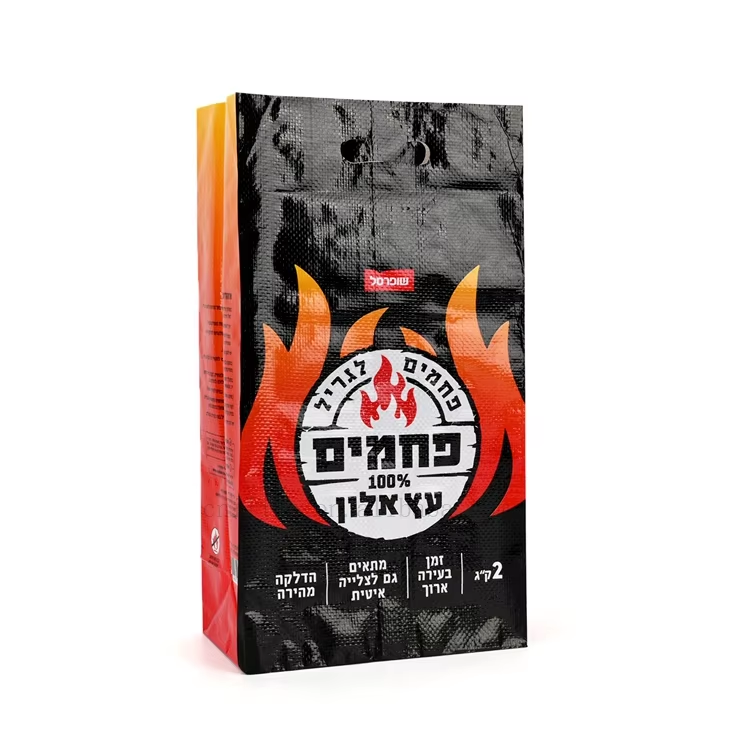
The Moisture Challenge: Why Charcoal Bags Must Block, Not Bind, Ambient Humidity
The reason charcoal so effectively adsorbs contaminants from the air is that is has a very large number of microscopic pores, which increases the surface area significantly. Unfortunately, this same characteristic leads to some detrimental consequences. When air becomes humid, water molecules compete with contaminants for pore space. When water molecules are present, the contaminants that get adsorbed are the very ones that should be captured. Under humid conditions, regular unprotected charcoal has been found to quickly lose its effectiveness. This has been shown, in normal charcoal, to occur within just two days, leaving the charcoal operating at only 40% of its dry efficiency. Such a decrease becomes highly problematic in situations where consistent filtration is required.
High humidity leads to quicker breakdowns in materials due to capillary condensation. Water collects in tiny pores of the material, leading to irreversible logging. Once regular charcoal absorbs enough water, its adsorbent qualities are negated. It's left to just be a damp sponge. This is the reason high quality charcoal bags are designed with moisture-resistant layers. The top products on the market actually integrate these moisture barriers into their core design.
Innovative design promotes selective permeability. This means the material will prevent water vapor from passing while still allowing sufficient airflow to promote odor and VOC capture. As long as the moisture barrier remains intact, the charcoal will remain active. Testing confirms materials protected in this manner can last up to four to five times longer than unprotected charcoal. This is the difference between actually utilizing adsorbent materials and destining yourself to a low-quality desiccant that stops working after a few weeks.
This has significant implications for sustainability. Charcoal that is compromised through moisture will need to be replaced regularly, making it impossible to recycle. The engineered barriers provide a consistent balance between humidity moisture and sustainability, reducing the demand for single-use landfill materials.
Functional Integrity: How Recyclable Charcoal Bags Maintain Adsorption Without Premature Saturation
Controlled exposure design: charcoal surface contact is limited through the design to ambient humidity
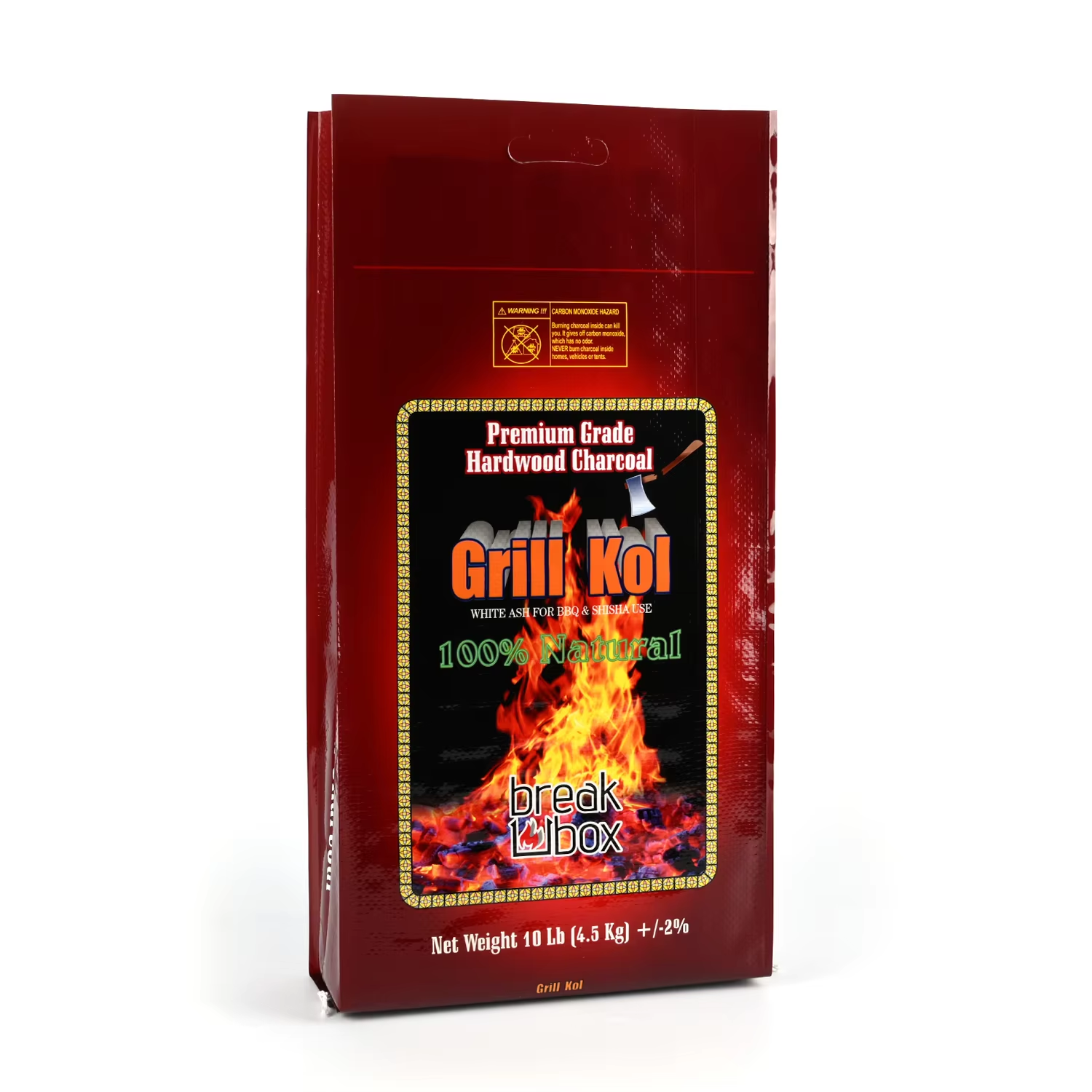
The recyclable charcoal bags have layers of non-woven polypropylene that serve as selective filters: while allowing odor molecules to pass, they impede excessive water vapor transmission to the activated charcoal. The bag design helps to avert competitive adsorption, which is an overwhelming presence of moisture adsorbed by the charcoal. In laboratory tests conducted at 60 percent relative humidity, bags with better barrier designs demonstrated 89 percent retention of their original absorbent ability to moisture, while unprotected regular charcoal demonstrated approximately 42 percent retention of original moisture absorbent capacity Moisture absorption surface interaction management allows longer use of the product before a replacement is necessary, a factor of considerable importance for practical utility.
Humidity-threshold activation: Why adsorption only starts after certain RH levels
The newest technology in recyclable bags contains smart materials which sense and react to changes in humidity levels. The outer layer of these bags is made of polypropylene which alters the size of its microscopic ventilation holes in response to the surrounding environment. When the relative humidity drops above 50%, the holes close to prevent the charcoal from unnecessarily breaching and consuming air and thus prolongs its efficacy. When humidity increases to the range of 55-70%, the charcoal is prime for absorption and the holes then provide an enhanced level of ventilation. The laboratory and field testing on these bags shows that the bags need maintenance 3 times less often than traditional bags. Under typical indoor conditions, users of these bags will only need to reactivate the bags about once every 3 months.
Charcoal Bags: Sustainable Use, Reuse, Recycle, and End-of-Life
Sunlight driven: Full moisture recovery via UV exposure
These bags are also designed to regenerate moisture absorbing materials. The recyclable charcoal bags employ a unique moisture management and UV light moisture release mechanism. When the bags are directly exposed to sunlight, the moisture absorber actively releases the moisture and the inner structure of the absorber is reorganized to allow the material to absorb moisture again. Properly done, four to six hours of exposure to midday sunlight will recharge the moisture absorber. The moisture absorbing material will return to 95% of the moisture absorbing capacity. The best part is that no external heat, chemical, or electrical devices are used. The recyclable bags actually last 5x longer than non-reactivatable charcoal bags. This means better value over time and drastically reduced waste going to landfills.
Paths of recyclability of polypropylene and the life cycle impacts compared to single use solutions
When considering the principles of the circular economy, the polypropylene non-woven and the shells of the products are very supportive of it. When these products reach the end of life, there are three potential paths. The first is mechanical recycling, which would allow these to be turned into pellets for diversion into the textile industry. The second is the capture of thermal energy from these materials and the third is the potential of industrial composting, which is contingent upon the satisfactory attainment of the ASTM standards (D6400) of the composting process. When looking at life cycle assessments, there is something of interest to consider regarding the potential of these bags. If the bags are reused at least fifteen times, it is estimated that the potential of these bags would result in a reduction of 78% of carbon emissions compared to the single-use bags. When looking at the life cycle of reuse, it is estimated that the bags would prevent at least 1.2 kgs from being land filled annually per unit. What this tells us is that a once throw away product is becoming part of a system that allows resources and materials to be regenerated instead of used once and disposed of. For those that want to sustainably manage the indoor air quality, this is particularly relevant.
FAQ
Why do charcoal bags lose effectiveness in high humidity?
In high humidity, the water molecules decrease the effectiveness of the charcoal because they compete with contaminant molecules to occupy the pores in the coal.
How do moisture-resistant layers in charcoal bags work?
The charcoal bags' moisture resistant layers allow air passage while blocking water vapor in order to maintain the charcoal's ability to adsorb odor and VOCs.
How to recharge a recyclable charcoal bag?
To recharge your charcoal bag, place it in direct sunlight, for 4 to 6 hours, as this causes trapped moisture to be released.
Are recyclable charcoal bags good for the environment?
Yes, recyclable charcoal bags use recyclable materials for their bags. Plus, they prolong the use of materials, which significantly cuts down waste in landfills.
What materials are used in recyclable charcoal bags to improve durability?
To improve durability, the bags are made of non-woven polypropylene. This material provides a moisture barrier, and absorbs, for a longer lifespan of the bag.