
 EN
EN
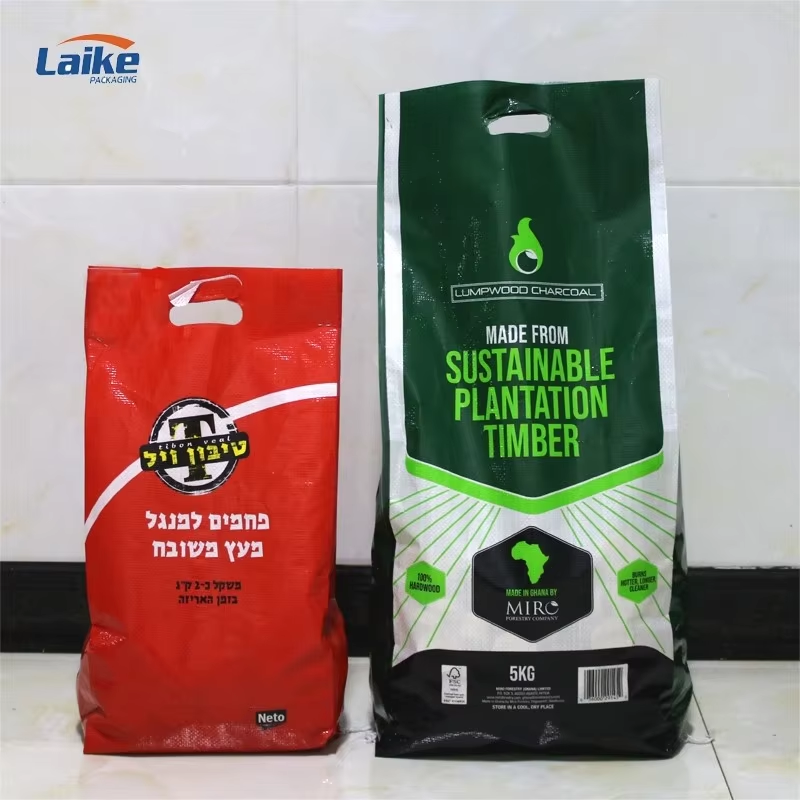
Bag Sizes in B2B Food Service Supply Chains
Why 10kg Charcoal Bags are the Most Common in Global B2B Catering Procurement
The 2023 Food Service Logistics Report states that approximately three quarters of commercial caterers chose 10kg bags of charcoal. The 10kg bags are the most ideal option for efficiency, safety, and cost management. Kitchen staff are able to avoid back problems and injuries when handling these bags, and that’s a huge positive. They also store easily on pallets and fit in standard kitchen storage. The square bottom design is quite clever, allowing for 240 bags to be placed on a single EUR pallet. This provides great stability and maximum space utilization. Purchasing in this weight category bulk provides genuine cost savings for operators in shipping and labor. Also, most catering operations go through entire bags during busy times, so waste is reduced, and bags aren’t stored half full collecting dust.
Comparison of Operational Scale and Distribution Models for 5kg, 10kg, and 25kg Charcoal Bags
When choosing a capacity for a bag of charcoal, one must consider the intersection of physical logistics and the volume of business that the infrastructure can support.
Capacity Ideal Users Key Considerations
5kg Small pop-ups, food trucks Lower storage needs, higher cost per kg
10kg Mid-size caterers, hotels Optimal pallet density, staff handling
25kg Regional chains, stadiums Forklift required, bulk freight savings
Venues that cater to large audiences usually opt for the 25kg industrial sacks, as they significantly reduce packaging waste, approximately 40% less waste, per the Sustainable Catering Initiative report from the prior year. However, the challenge is that those sacks are heavy and moving them can be a hassle, especially in food trucks that can't store them. They often carry 5 kg bags, meaning they pay 15 to 20% more per kg than they would by buying in bulk. Most middle-market catering businesses tend to settle for 10kg bags. These bags are easy to handle, provide a better price to value ratio than the smaller bags, and fit well within standard delivery vans and refrigeration units as they are designed to optimize available space.
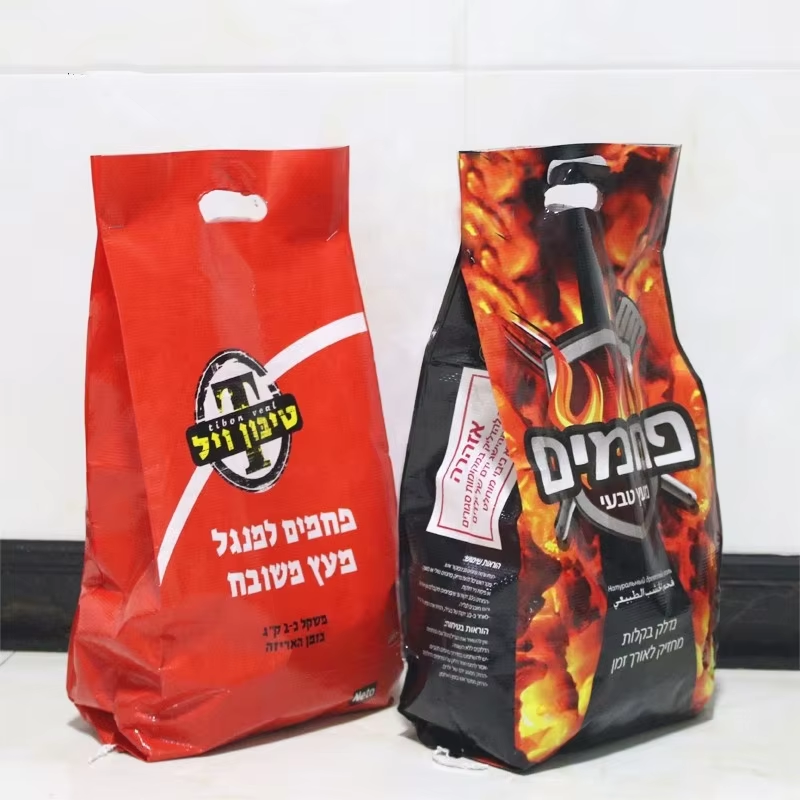
Logistics and Storage Efficiency for Charcoal Bags
Cube Efficiency: Square-Base 10kg Charcoal Bags and Pallet Load & Warehouse Space
With square bases, 10kg charcoal bags allow packing about 27% more charcoal than round bags, as round bags waste space in between. A standard EUR pallet can fit 70-80 square bags as opposed to 50-60 round bags. This also demonstrates a 30% reduction in required warehouse space, based on a study by the Material Handling Institute in 2022. The configuration of the bags also allows companies to store 8.5 metric tons in each pallet position while maintaining OSHA aisle width guidelines, translating to significant cost savings in transportation and warehousing. This adjustment in the charcoal bags also saves large catering companies, as per the 2024 freight data, $9 - $10 per pallet for local deliveries.
Thermal Safety and Handling Integrity in High-Volume Charcoal Bag Transport
Due to the risk of fire during transport, we need special breathable packaging. Bags made of 90 grams per square meter polypropylene, with an anti-static layer inside to keep dust away, are the best option. This is especially important when temperatures rise above 40 degrees Celsius, per ISO 2244 standards (2023). Bottom stitching is reinforced to withstand drops of 2.5 meters, which is common in mixed freight shipping. Some bags have valve seals that allow air to flow but prevent spillage. Improvements in design have led to a 40 percent decrease in the risk of spontaneous combustion and a 28 percent decrease in damage claims during transport when compared to standard packaging.
Optimizing Charcoal Bag Size According to Scalability and Workflow of Catering Business
From Pop-Up BBQs to Regional Chains: A Guide to Charcoal Bag Selection Based on Volume
Operational fluidity greatly depends on selecting the optimal size for charcoal bags at various stages of catering. From Street food vendors to mobile kitchens, the 5kg bags are the obvious choices as they are perfectly sized for easy carrying, minimal vehicle space occupancy and convenience on the frequent relocations without the need for extensive cooking. In the case of medium sized catering businesses encountering between 20-50 events in a month, the 10kg bags are perfectly sized. The large bags equate to less refilling, meaning the bags are time-saving, procurement tasks are reduced by 30%, and management of the kitchen and storage space is simplified. Regional catering companies with central preparation kitchens gravitate toward the 25kg bags. The optimal goals of the region hold true here as well, one large bag = five small bags. This provides the warehouse with about a 40% increase in space, and with active management of cross-site inventories, there’s significant per Kg savings in shipping costs.
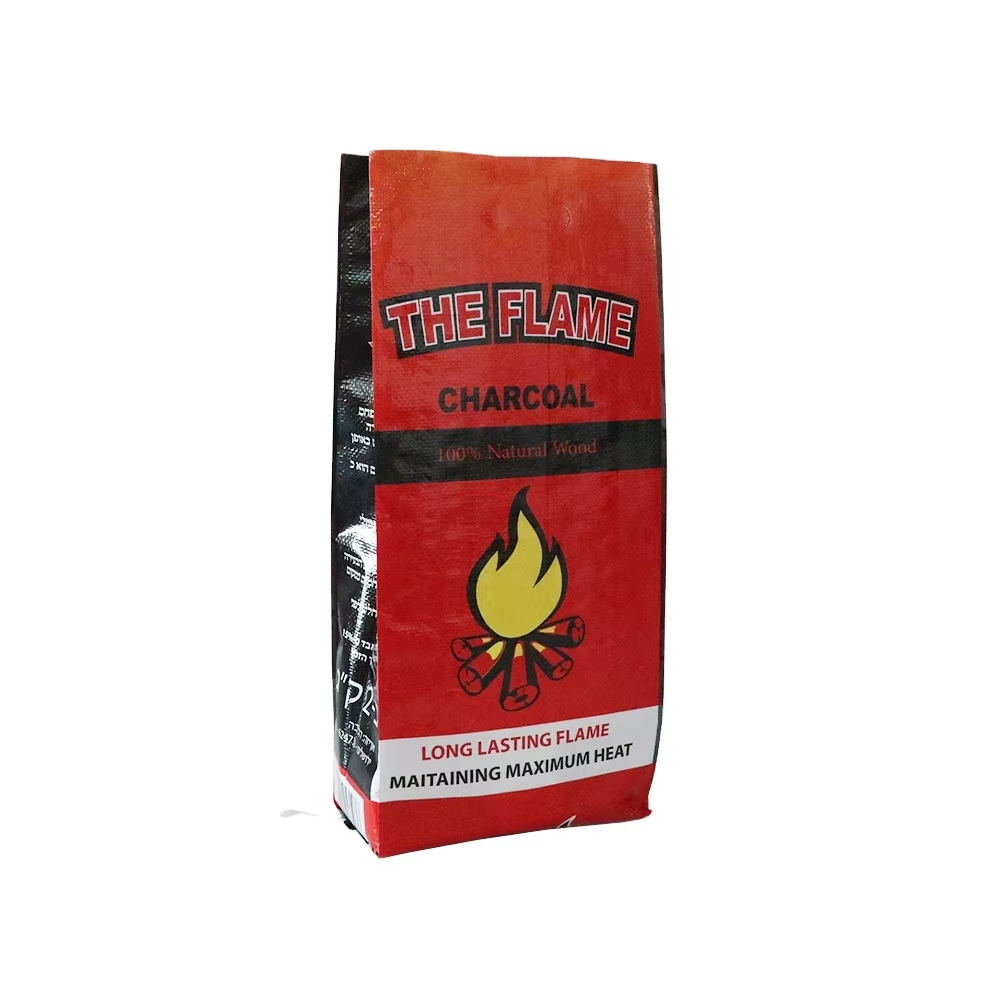
Business Scale Recommended Capacity Operational Advantage
Pop-up / Food Truck 5kg Easy-to-move and low storage requirements
Mid-sized Caterer 10kg Operational effectiveness and cost efficiency
Regional Chain 25kg Best cost warehouse and storage
Following the principle of Scalability, oversupply and undersupply should be avoided. Restocking labor bottleneck should be avoided for large companies and undersupply for small companies. Balancing the logistics of the restocking and the utilization of the kitchen should be based on the volume.
FAQ Section
Why are commercial caterers so keen on 10kg charcoal bags?
10kg charcoal bags are efficient, safe and cheap. They are the optimal weight and size for pallet space and standard storage.
What should one think about when deciding to order 5kg, 10kg and 25kg bags of charcoal?
The size of the business and the logistics of the bags are the main determinants. 5kg bags are the most suitable for food trucks, 10kg for mid-sized caterers and 25kg are for large venues and chains where bulk savings are needed.