 EN
EN
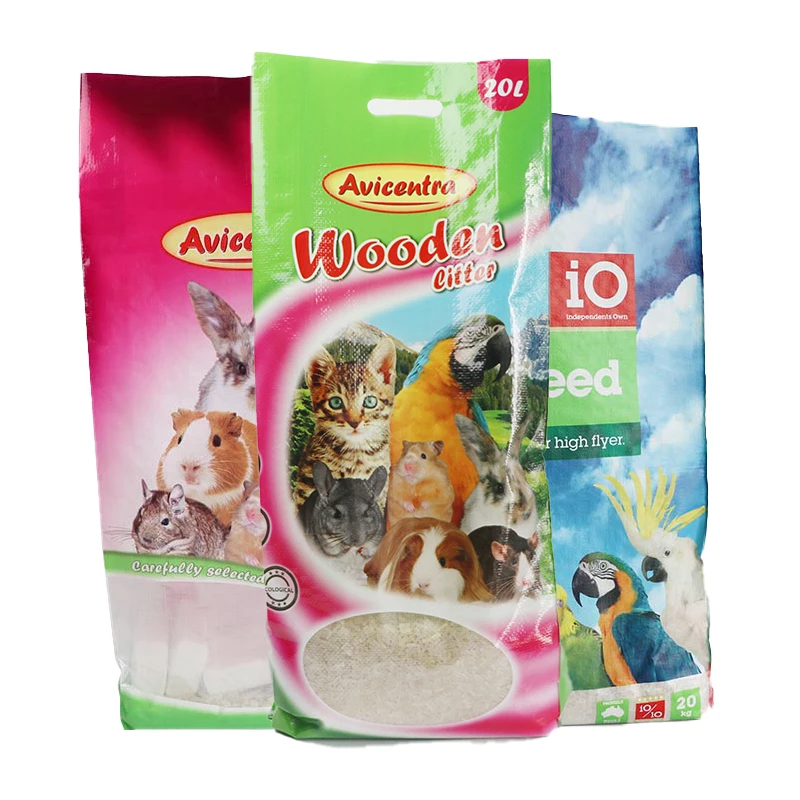
Recyclable Pet Food Bags and Their Appeal to Environmentally Conscious Pet Owners
The Affect Plastic Waste and Climate Change Panic Has on Consumer Behavior
The general public is becoming increasingly aware and concerned about climate change and the negative effects of plastic on the environment. People want to buy products that do not contribute to the problem. This is especially true for eco-conscious pet owners who are concerned about the plastic and environmental impact of pet food. In the U.S. landfills, an estimated 300 million pounds of plastic is wasted every year, and less than 10% of that is recycled. This figure is alarming and reflects the ethical consumerism associated with the new, more environmentally friendly packaging. Pet food packaging is designed and produced using catastrophic recycling-eliminating methods. i.e., polyester, aluminum, and adhesives. Pet owners can relieve their guilt associated with their plastic habit when they buy pet food that comes in the new, more eco-friendly packaging. Eco-friendly pet food packaging allows pet parents to align their guilt and conscience with their pets and new eco-friendly packaging pet food products. Buying new pet food that is labeled as eco-friendly packaging is the new statement of pet parents. They can now advocate for animal rights and environmental rights, and fight against climate change.
Recyclable Pet Food Bag Adoption as a Trust Signal for Brand Authenticity
Customers are frustrated with companies that “greenwash” their marketing as their competitors are implementing attractive alternatives. This includes companies like, Pet Food, that are moving towards single material polyethylene, making bags that are 100% recyclable for curbside recycling. Closed-loop recyclable bags demonstrate to consumers that a brand is taking initiative to lessen their impact on the environment. Over 75% of the consumers in the U.S. stated that, “the environment” is a top priority for them, and real recyclable packaging is the best signal that a brand practices sustainability. Customers appreciate sustainable and “green” practices and honest brands, and thus, companies who prioritize recyclable packaging create lasting loyalty. What begins as a simple dog food bag becomes a and honest collective effort towards protecting the environment. Brands seeking customer sustainability grow a conscience and gain the market.
Material Innovation: Engineering Functional & Truly Recyclable Pet Food Bags
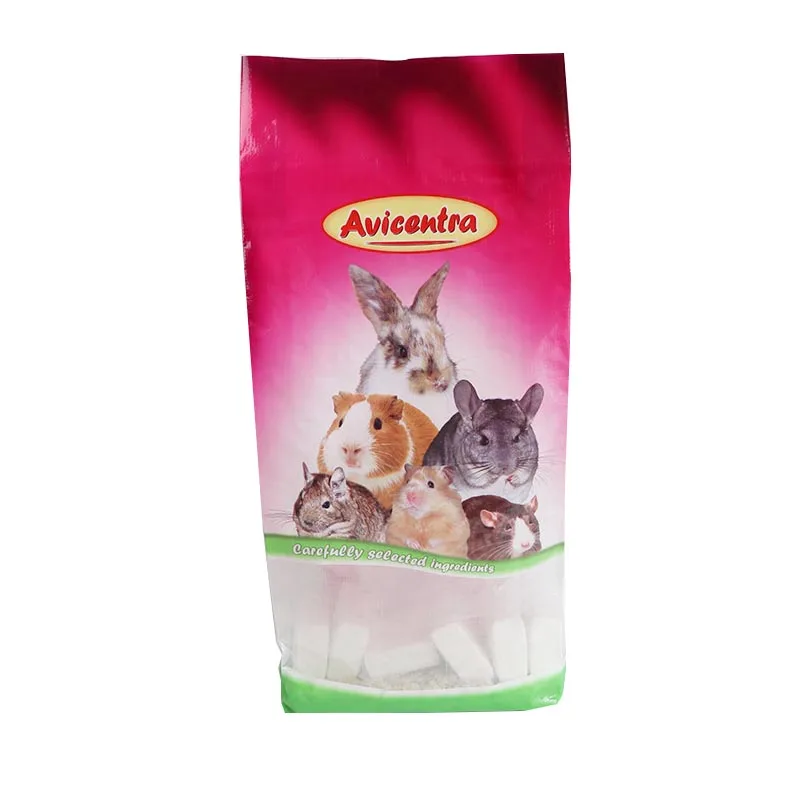
Mono-Materials for Curbside Recycling
Recycling challenges today for pet food packaging involve non-compatible materials, multi-layered plastics, and mono-material PE solutions offer a way forward. PE (polyethylene) mono-material packaging fully incorporates one plastic type for barrier and sealant functionality, while extending shelf-life by keeping food safe from moisture and oxygen. They are curbside recyclable and collectible from many grocery store plastic recycling drop-offs. Merely incorporating recycling compatibility shows a significant advancement over traditional multi-layer packaging as these solutions ensure plastics are recycled instead of ending up in a landfill.
Why Recyclable Outperforms Compostable in Today's U.S. Waste Infrastructure
Compostable items do not solve many issues caused by the U.S. waste system. Over two-thirds of the U.S. population do not have access to composting, yet the vast majority have access to recycling for the compostable plastic bags. When a compostable bag is thrown in the landfill, the bag will decompose creating methane, a gas that is 28 times more harmful than CO2 for climate change. In contrast, PE pet food bags are compostable, but are recyclable at a rate that is 12 times higher the bags. When there are not enough composting facilities in a country, recycling systems are more beneficial for the environment.
Factors that Influence Recycling Pet Food Packaging
Municipal Sorting Systems vs. Recycling Food Bags
To prevent food from spoiling, moisture and air barriers are used to create layers in pet food bags. These layered bags, which utilize co-extrusion technology, are detrimental to recycling centers, as they have sophisticated recycling machinery that are designed to recycle easier, single-layer plastics, and do not recognize mixed-layered plastics. As a result, valuable recyclable materials are sent to the landfill. Bags with paper and plastic windows, as well as coated bags, contribute to recycling contamination. Reluctance to recycle layered bags may be due to the economic principle that guides the recycling process – if the cost of recycling the materials exceeds the revenue that can be generated from selling the recycled materials, a recycling center will not accept the materials to be recycled. Packaging that is designed to improve recycling compliance in the future will be better for the environment.
Market Validation: Growth Trends and Industry Focus on Recyclable Pet Food Bags
Investor and consumer interest in recyclable pet food bags is accelerating. With new environmental regulations, including EPR legislation, and increased demand from pet parents for recyclable packaging, manufacturers are creating consumer-friendly recyclable pet food bags. Recyclable packaging is now available at Big Box stores and throughout the price spectrum. Industry leaders are targeting 2025-2030 for the release of fully recyclable or reusable packaging. Changing consumer interest in the recyclability of pet food packaging is helping manufacturers expand their role in protecting the planet and running positive margin businesses.
FAQ
What are mono-material PE solutions?
Using a single type of plastic for the production of pet food bags makes recycling the bags easier.
Why are recyclable pet food bags better than compostable pet food bags?
Recyclable bags are less problematic as composting infrastructure is limited, but recycling and associated methane gas emissions are, and composting is a problem.
What are EPR laws?
EPR laws are legislation that place recycling and post-consumer waste responsibility on the producer.