
 EN
EN
Commercial Demand and Logistics Influence Optimal Capacity for Potting Soil Bags
Shelf Space vs. Warehousing Efficiency: 20-40 Liter Bags
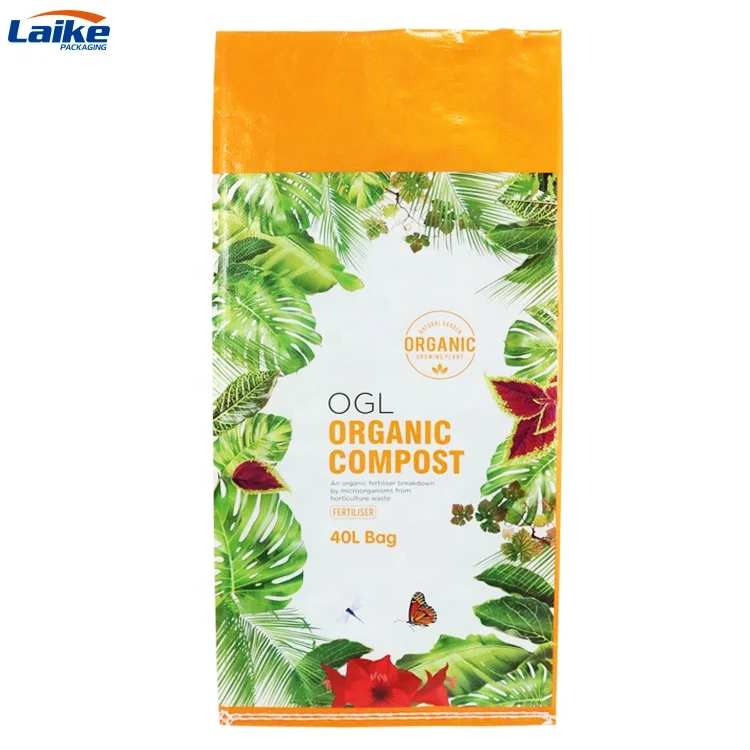
For retailers, potting soil bags need to be small and maximize display density. Smaller bags are also easier for customers to handle. Commercial growers and distributors, on the other hand, need bags that are larger to lower the frequency to which bags need to be restocked and lower the shipping costs per unit. Bags within the range 20 to 40 liters solve this problem. 20L bags are small enough to be suitable for sales on the retail floor, and 40L bags are significantly more efficient in terms of pallet utilization for Warehousing and distribution (W&D) compared to the use of smaller bags. Stacking tests indicated that 40L bags have the added benefit of being more stable on pallets and having lower damages during transport.
Example: 2023 Adoption of 25L and 40L Potting Soil Bags by Nursery Chains
In 2023, the largest nursery chains adopted 25L and 40L potting soil bags at the same time, illustrating differing priorities within the market. The 25L bag format was most commonly adopted in retail garden centers, and it was popular due to its weight being under 15 KG, which also made it suitable for use in residential project bags. The 40L bag was the commercial standard for bulk operations and was used by 68% of growers surveyed. This combination of bags reduced the the amount of packaging used by 22% per cubic meter of soil, and it also allowed for the use of automated bagging systems, illustrating how the specific needs of different market segments drive cross-market standardization.
Weight, Handling, and Freight Economics of Potting Soil Bag Sizes
Why 18-22 kg Is Optimum for Manual Handling and Pallet Stability
The 18-22 kg range is the sweet spot for soil bag weight from a safety, ergonomics, and logistics viewpoint. It supports the safe, repetitive manual handling recommended by OSHA and NIOSH, while preserving the integrity of the pallet in transit. Bags that weigh less than 18 kg shift or settle unevenly and are prone to spillage, while those that weigh more than 22 kg introduce risk of fatigue injuries, and greater than practical limits for soil, as a wet soil density can range up to 1.4 g/cm3. A standard pallet that can handle 1,200 kg can safely handle a maximum of 54 bags at 22 kg, while going over 25 kg per bag risk structural integrity of the pallet.
Impacts of Freight Class Exceeding 25 kg
The 25 kg weight limit on bags results in the first of three thresholds, moving from Freight Class 110 (7.3 USD per kg-mile) up to Class 150 (11.4 USD per kg-mile) resulting in 56% increase in base freight costs. The effect of the tier shift is compounded at scale, a pallet of forty 20 kg bags (800 kg total) will cost less to ship than one with thirty 30 kg bags (900 kg) despite the latter having a higher gross weight. Because freight shipping costs account for 18-32% of total distribution costs for horticultural bulk products, weight has a direct impact on profit margins. A national distributor focused on 22 kg bags and achieved $740,000 in freight savings in 2023.
Strategic Positioning: Segmenting Market Demand for Different Bag Capacities of Potting Soil
Landscape Contractors Favor 35-L Bags for Maximum Yield & Efficiency
Landscape contractors have adopted 35 liter bags of potting soil as their operational standard. This bag size allows for the best yield-to-effort ratio with the average bag being able to cover 8-10 square meters of planting bed while being easily manageable for crew-level carrying and pouring. Field reports indicate installation times being 15-20% faster when using 35L bags as compared to 20L bags considering the less number of times the bags needed to be changed resulting in less disruptions on the workflow. Standardization of the bag size enables the crew to load trucks more efficiently and reduces the footprint by 22% on the pallet when compared to bags with no standardized dimensions.
Organic Growers Standardize with 50-L Bags to Minimize Packaging and Unit Costs
Operations that are certified as organic are now using 50 liter potting soil bags as it satisfies their sustainability requirements and it helps minimize the rapidly increasing input costs. The larger volume bag reduces the amount of plastic packaging by 30-40% which helps with the zero waste goals outlined by the USDA Organic Program. Additionally it reduces the costs of purchasing the soil in bulk by 18% per cubic meter of soil which is important in the organic markets where soil amendments are commonly 25% of the total expenses. This standardization also reduces the number of different soil cubes that the distribution centers need to manage which makes inventory handling faster and reduces mistakes.
FAQ
For retail and warehouse purposes, what is the preferred size of potting soil bags?
The 20-40 liter size is the best option with 20L bags being more suitable for retail and 40L bags offering better efficiency for storage in the warehouse and stability of the pallets.
Why do nursery chains prefer 25-L and 40-L bags of potting soil?
25L bags are easier to carry for the average consumer, while 40L bags are easier to manage for large operations and reduce the amount of packaging (which is beneficial for the environment).
What is the optimal weight for bags of potting soil?
The weight of the bags is best set between 18 and 22 kg, as this is the best compromise between safety for the manual handlers and stability on the pallets according to OSHA and NIOSH standards.
What are the problems with bags of potting soil that weigh more than 25 kg?
Having bags that weigh more than 25 kg cause more problems than they solve. They will not only incur higher shipping costs due to freight class changes, but they will also increase the risk of damaged pallets.
Why do different bag sizes appeal to landscape contractors and organic growers?
35-L bags appeal to landscape contractors because they are more efficient and provide better yields, while 50-L bags appeal to organic growers due to reduced packaging waste and lower input costs.