 EN
EN
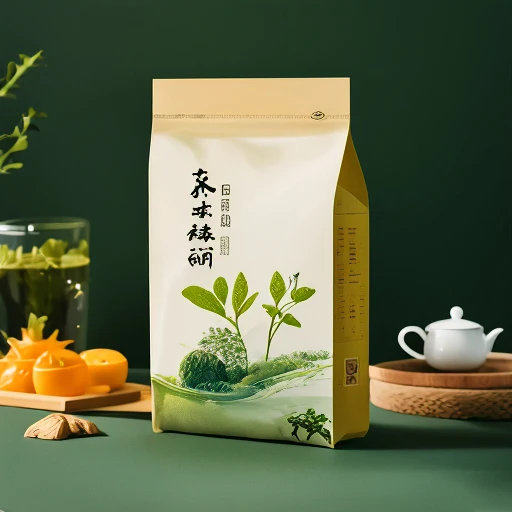
Cost Efficiency: Reduced Entry Barriers and Total Cost Savings for SMEs
Investments are now more feasible: There are no expensive molds required and no high MOQs associated with flexible packaging.
Recyclable flexible bags eliminate these barriers. SMEs can launch products with MOQs < 1,000, significantly reducing the initial investment and speeding time-to-market. This also helps maintain an option for larger scale production in the future.
Operational savings: Smaller storage footprint, lighter shipping costs, and quicker manual filling.
Flexible bags occupy 50-70% less space and weigh 30-50% less than their rigid alternatives. This directly translates into lower storage costs and shipping costs. Flexible bags also support more efficient manual filling, and can reduce labor time by 25% in comparison to rigid containers. Finally, because there are no costly molds to maintain, these reduce the ongoing costs of container maintenance. All of these factors together lead to a total savings of 40% over three years on total ownership costs (Packaging Digest, 2023).
Recyclable flexible bags also improve your score in Regulatory Compliance and enhance Brand Equity.
Compliance with the EU SUP Directive, recyclability claim legislation in the U.S., and extended producer responsibility (EPR) regulations.
Flexible recyclable bags, specifically mono-material PE or PP options, help SMEs meet the ever-changing legislative landscape pertaining to the EU SUP Directive, California’s Senate Bill 343 (which requires accurate recyclability claims), and the new EPR regulations. These regulations force businesses to ‘pay-as-you-throw’ for the end-of-life disposal with the waste management system, requiring companies to manage the waste from the products and packagings used by consumers, and these fines are costly (Ponemon Institute, 2023). Mono-material bags are easy to recycle with standard curbside systems, which allows SMEs to manage the waste from the products and packagings used by consumers while avoiding the fines.
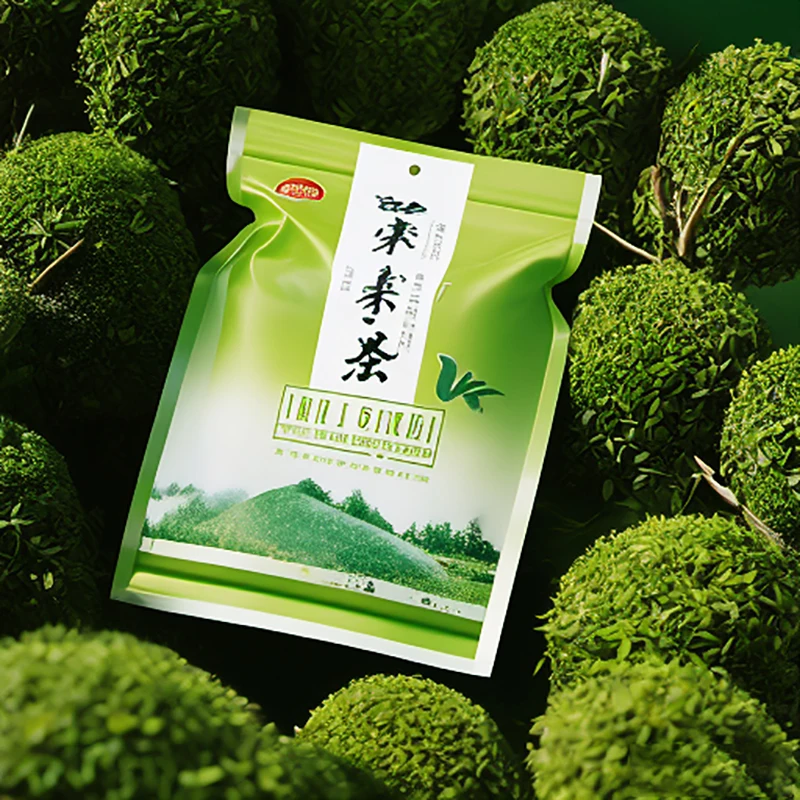
Building Trust with Customers: Acceptable Data on Recyclable Flexible Bags
Research shows that flexible bags that are recyclable and certified with How2Recycle® get consumers' trust. Customers are brand loyal when they find products that have sustainable and certified recyclable packaging (Global Buying Green Report, 2024). Greenwashing is less of a concern with ethically certified bags. Customers sustain Christian and Eco ethical concern. Modular design creates synergistic recyclable flexible bags. Trust translates to increased revenue and brand loyalty. Recyclable flexible bags will put you on the map, as a concern brand.
How Modern Flexible Bags Overcome Challenges
Mono-material PE/PP laminates: Recyclable bag technology is food safe and moisture barrier safe.
Modern flexible bags have recyclable technology and also meet FDA moisture barrier and food safe regulations. Flexible bags have a barrier of moisture and contaminants, with multiple layers of laminates. Contrarily, flexible bags have a single layer of multiple polymers. With flexible bags you lose the freshness of food, and lose your recycling street value. Flexible bags lead the way to food safe recycling and a circular economy (The recycla-bowl, 2024).
The advantages of digital printing and flexible bags with filling systems at the at the SME level.
The digital printing technology and flexible bags at the SME level allow a high quality small custom batch run with flexible bags (no negatives, no delays). The flexible bags and filling systems are no technologist sewing systems (no level systems) flexible bags. Flexible bags system is waste free and with the printing technology is waste free. With flexible bags you can have system level ready practice (at the enterprise level) with a high finish level at a low investment.
Supply Chain Agility: Quick Response, Custom Solutions, and E-Commerce Adaptation in Flexible Bags
For SMEs, flexible bags streamline supply chain innovation and rapid responsiveness, featuring rapid turnaround times, dynamic branding, and seamless integration with e-commerce platforms. Digital printing techniques have reduced lead times for custom-printed bags to less than ten days. This makes flexible bags an attractive substitute to rigid packaging, with its time-consuming molding processes. Flexible bags weigh less and therefore minimize dimensional weight surcharges by as much as 40%. They also take up less space and lower warehousing requirements. Additionally, flexible bags are compatible with both manual and semi-automated form, fill, and seal (FFS) systems. This allows SMEs to expand their production and packaging capabilities without having to invest in expensive machinery. As DTC fulfillment increases, flexible bags are an excellent choice for modern fulfillment and logistics systems because of their durability, minimal void-fill requirements, and compatibility with automated sortation systems.
Frequently Asked Questions
What are the benefits of flexible bags as compared to rigid packaging?
The benefits of flexible bags in comparison to rigid packaging include lower initial costs, operational efficiencies because of reduced storage footprint and lower weight for shipping, quicker manual filling times, and fulfillment.
How do recyclable flexible bags meet global standards?
Mono-material flexible bags made of either PE or PP help meet global standards, such as the EU SUP Directive, because they are mono-material, and they also help maintain compliance with the U.S. recyclability labeling laws. These bags also assist in avoiding fines related to compliance and extended producer responsibility regulations.
What role do flexible bags play in enhancing efficiency in supply chains particularly for small and medium businesses?
They allow for fast production and speedy modifications in branding. Additionally, flexible bags can be integrated with e-commerce. Finally, their light weight reduces shipping costs whereas their durability leads to less shipping damage.