 EN
EN
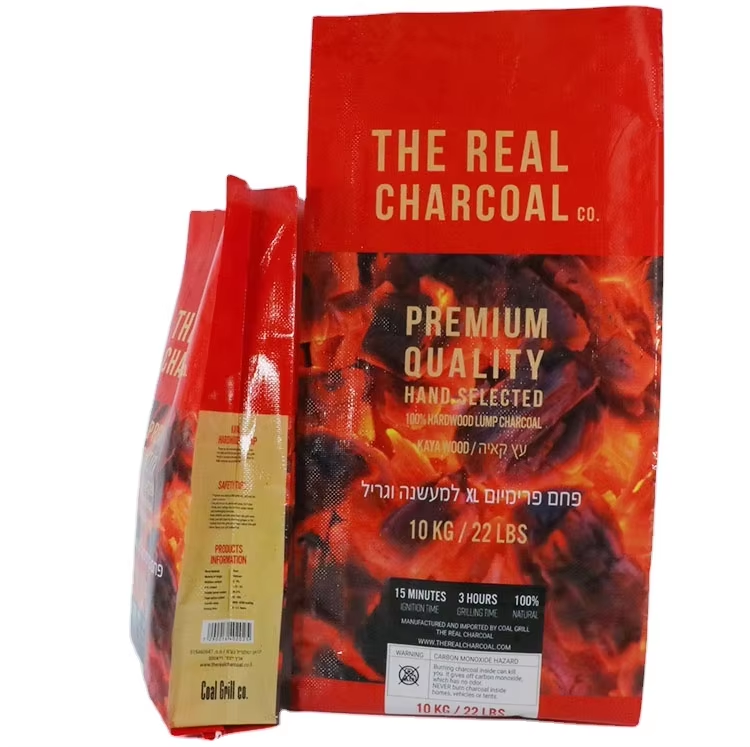
Material Specifications for High-Strength Charcoal Bags
Mechanical Specifications: Tensile Strength and Puncture Resistance Under Load
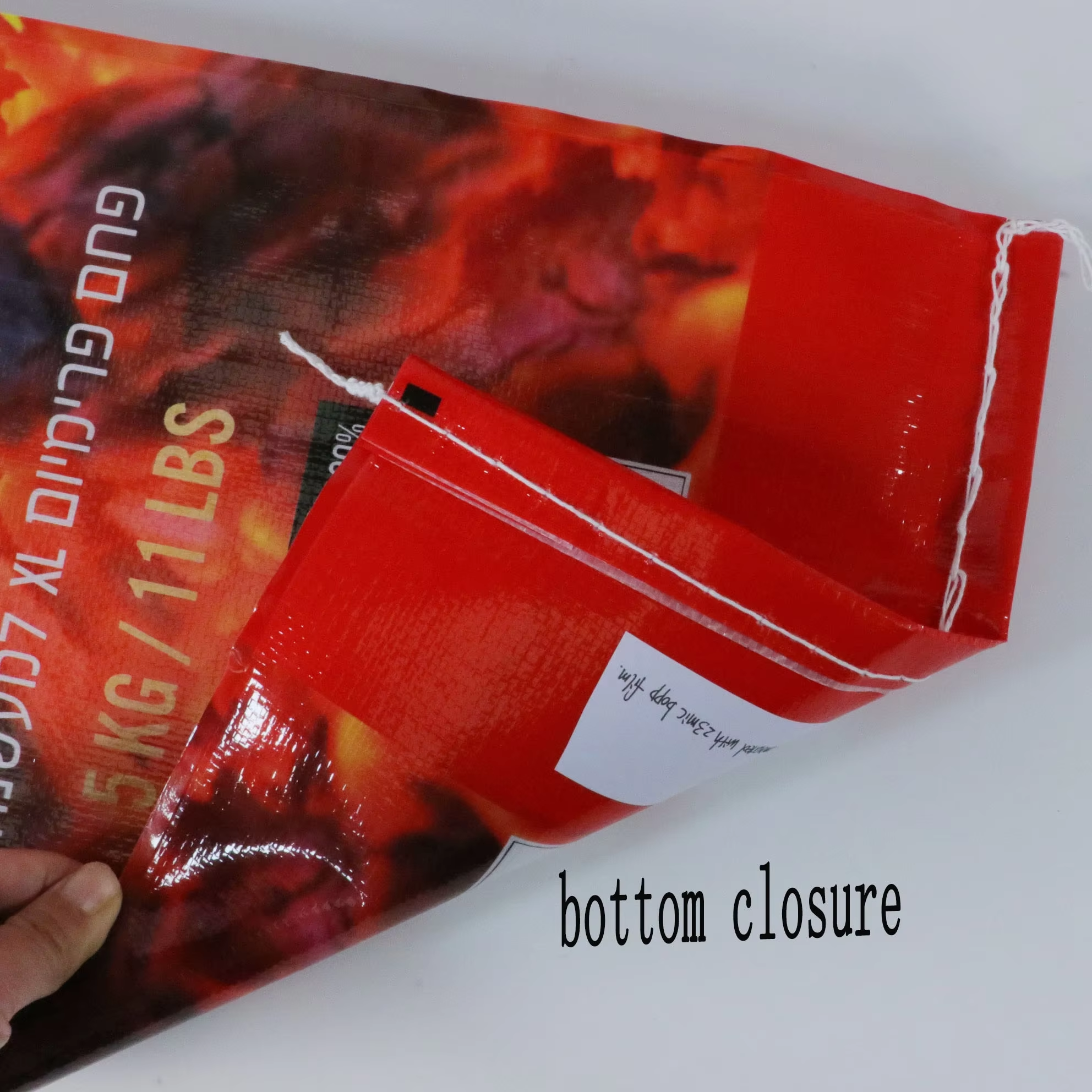
The fabric of high-strength charcoal bags must withstand extreme mechanical contact during the shipping and handling process. Woven polypropylene bags (PP bags) are appropriate for this application because they can achieve a tensile strength of over 35 N/mm2 as per the ASTM D5034 test method. Woven bags also maintain their woven structure under a load of 50 kilograms. The reinforced weaving also improves the bags' resistance to punctures, a significant advantage when the bags contain charcoal briquettes, which puncture and damage ordinary bags during transit. Woven polypropylene bags can be designed to resist a puncture of over 120 Newtons as per the ISO 13938-1 test method. In bulk transport, standard woven bags are replaced with this type of bag, and for a standard woven bag, data indicates a 75% reduction in spillage.
Charcoal bags are exposed to fast degrading due to exposed to ash, tar, moisture, and oxidation. Innovative engineering uses barrier solutions to reduce these effects:
- Ash wear is reduced by special coatings.
- Tar is blocked by Metalised PET laminates.
- Moisture ingress is inhibited by Low WVTR (< 15 g/m²/24hr)
- Oxidation is reduced by UV stabilised polymers.
After 300 hours of salt spray testing (ASTM B117) >97% of tensile strength is maintained by PET hybrids and metallised films reduce oxygen transmission to < 5cc/m²/day. This is proven to reduce combustion risk. In tropical environments barrier integrated systems provide a 4 times longer functional lifespan compared to untreated systems.
Top Performing Charcoal Bag Materials and Their Applications
Woven Polypropylene (PP): Durability and Cost-Effectiveness for Briquette Transport
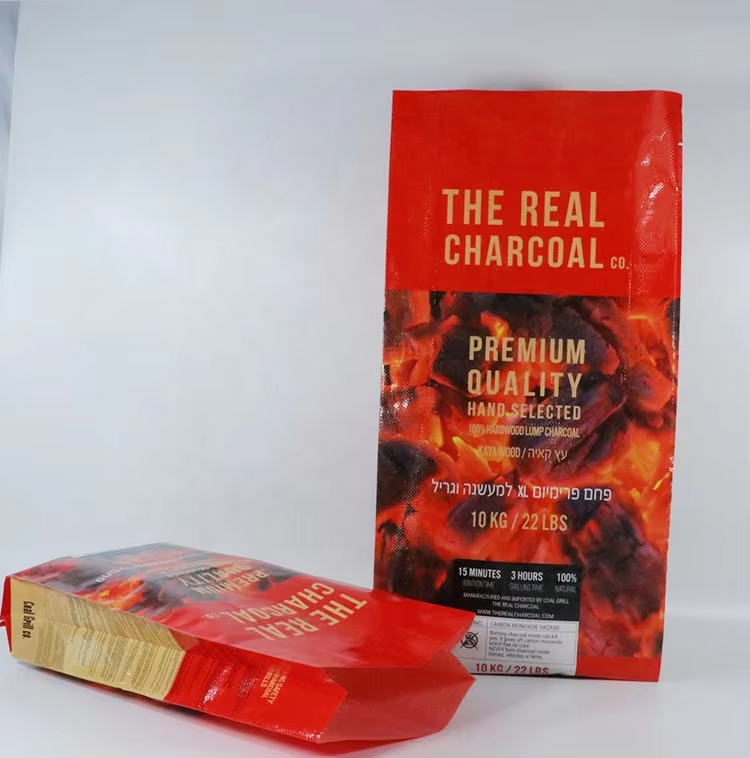
For the time being, woven polypropylene bags remain the best option for transporting large quantities of briquettes. The unrivaled strength to weight ratio for woven polypropylene bags offers the best value for money of any option. These bags can withstand tensile stresses of greater than 40 Newtons per centimeter and remain stable to chemical degradation due to ash from briquette transport. They also have a higher multiple use to single use ratio, as they are durable in construction and do not suffer breakdown as other bag options. In addition to all other woven polypropylene bags have a lower price point, approximately 30 percent lower than the fancy reinforced composite options. This makes woven polypropylene bags highly ideal for transporting briquettes as they can be made for carrying 25 kg payloads and be cost effective for businesses.
Laminated Kraft + Metallized PET–PE: Barrier Protection for Activated and Premium Charcoal
Unlike other materials, this one combines the special oxygen and moisture barrier layers (blocking approximately 99.9% of moisture and oxygen) of kraft paper and an innovative metalized PET-PE layer. The aluminum component reflects thermal radiation, while the PE layer prevents the migration of tar. This means that the activated charcoal is allowed to function for far longer duration. Third party studies show that such packaging extends product shelf life by approximately 18 months compared to traditional single layer packaging. Because of these reasons, it is no surprise that premium charcoal manufacturers have chosen this packaging for its value to the product.
Cellulose Nonwovens and Bamboo-Derived Meshes: Alternative Breathable Materials for Lump and Eco-Charcoal
In order to prevent mold growth, lump and eco-charcoal products require moisture to be removed and to allow for proper airflow regulation. When manufacturers integrate cellulose nonwoven fabrics and bamboo-derived meshes, they achieve airflow of approximately 100 liters per square meter per second. Bamboo’s natural anti-microbial properties inhibit the growth of unwanted bacteria during the storage of the products. Bamboo’s moisture vapor transmission rate is superior to that of most other synthetic fabrics (15% higher). Natural materials (bamboo and cellulose) will decompose approximately 70% faster than synthetic materials in landfill conditions, allowing for a more positive environmental profile for the packaged products. These characteristics make the materials ideal for those companies that wish to package their products in eco-friendly materials.
Performance Validation: Testing Standards and Charcoal Bag Durability in Practice
ASTM D882 Tensile Testing and ISO 5636-5 Air Permeability Charcoal Bag Certification
Two factors must be evaluated together in order to obtain such certification. The ASTM D882 test examines material strength based on the number of layers that are compressed in the warehouse on the pallet. On the other hand, the ISO 5636-5 test assesses the air permeability of the material, which determines the ability of the material to control the moisture and dust. According to the latest edition of the Packaging Standards Digest, bags that pass the tests demonstrate a 20 to 30 percent improvement in puncture resistance. The bags maintain their strength after exposure to ash and are suitable for both hot and cold conditions. Certified woven polypropylene bags are expected to last a maximum of 18 months in an industrial environment. This is consistent with what is observed in the laboratory environment and demonstrates that the bags are able to withstand the challenging conditions present in warehouse environments.
Choosing Materials for Multifunctional Charcoal Bags in an Eco-Friendly Manner
The increasing impact of climate change has forced companies to be selective in the materials they use. However, the use of certain materials for the packaging of charcoal products can be considered as an advantage for the environment. For example, the use of recycled plastics (rPET) are able to divert plastic waste from landfills while, at the same time, being adequate for transporting briquettes. Several charcoal brands have opted for biodegradable materials in packaging such as composite materials made of bamboo, as there are no toxic residues from the breakdown of their materials. There are, however, certain disadvantages with the use of biodegradable materials; they often are inferior to synthetic materials in moisture resistance, they typically are more expensive (at least 15-30% more) and they make the packaging of charcoal products more expensive compared to conventional plastic products. With the increasing rules set out by governments on waste diversion, it has become more important for manufacturers to develop packaging materials for charcoal products that strike a cost and time effective balance with the diversion of packaging from land fill, and the durability and functionality of the charcoal packaging materials.
Conclusion
For the ultimate durability, resistance, and sustainability, the best materials in use today are woven polypropylene, laminated kraft with metallized PET-PE, cellulose nonwovens, and bamboo-derived meshes.
How do these materials withstand mechanical stress?
The materials demonstrate excellent puncture resistance and tensile strength, as they do not fail with loads reaching 50 kilograms.
Are the eco-friendly charcoal bags a reasonable alternative?
Yes, there are eco-friendly alternatives, such as bamboo composites, although they are more expensive and can be problematic in terms of moisture resistance.