 EN
EN
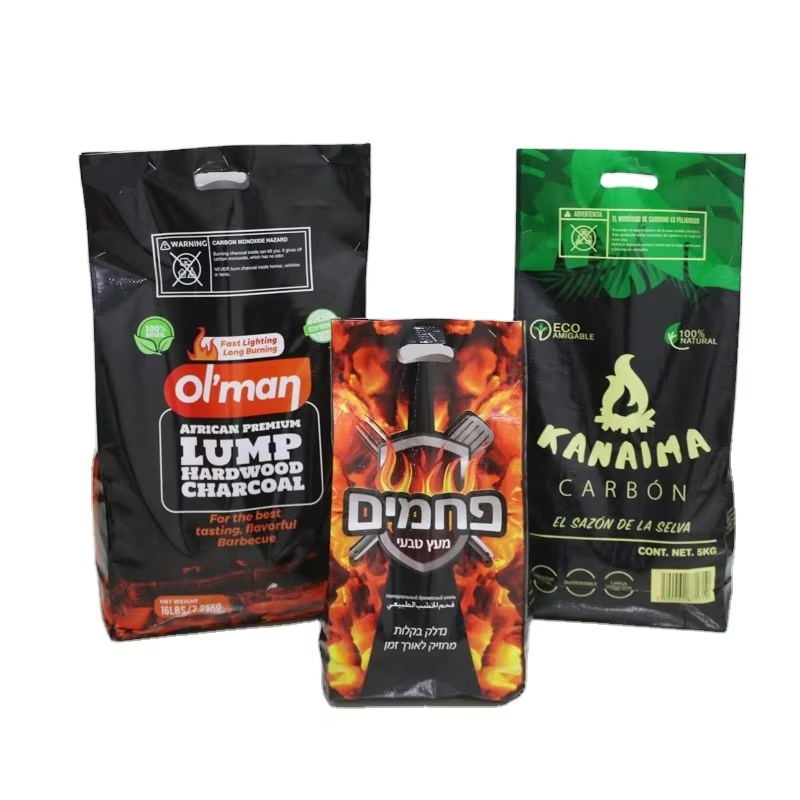
Charcoal Bag Performance: How Lump and Briquettes Measure Up to Different Grilling Requirements
Charcoal Bag Type and Heat Output, Burn Consistency, and Temperature Control
Lump charcoal bags offer a rapid, extreme heat output. They can easily push temperatures to 1000 degrees Fahrenheit, and are excellent for searing steaks and similar cuts. On the flip side, there are numerous drawbacks associated with lump charcoal. The lump pieces are inconsistent in size, thus resulting in uneven air flow. This can create cold/heat spots, further complicating the cooking process. Those who use lump charcoal must check the food frequently to monitor and adjust the heat as lumps are exhausted. At the other end of the spectrum are briquettes. These are blocks of compressed coal, and they are the cook's best friend. They can execute a consistent, steady burn of 500-700 degrees for 2 hours and which allows increased cooking time and meat/bread products to smoke and then bake as in a wood-fired oven. And even though many inexperienced cooks do not know it, the use of evenly sized briquettes allows for easier management of heat zones/balancing, unlike the lumps, and thus enables a higher level of control of the cooking process for experienced cooks.
Bagged Charcoal Form: Ash Production, Ignition Reliability, and Shelf Life Implications
Lump charcoal creates an average of 2 to 3% volume of ash which is beneficial when cooking as it is made from 100% hardwood and helps prolong the life of the grill grates. Briquettes, however, are made from a combination of woods and additives like limestone and/or starch which results in 10% ash volume. Over time, cooking with briquettes will litter the grills with ash and block the air vents of the grill. In terms of ignition, briquettes will take 15 to 20 minutes to heat up to an even temperature with the help of a chimney starter while lump charcoal is a lot more difficult as the densities are uneven. This could lead to a higher pre-heating time on lump charcoal. Charcoal in moisture resistant bags will stay good on average for 1 to 2 years for both briquettes and lump charcoal. However, it is a fact that lump charcoal has pieces that will break down easier than the pieces of briquettes when shipping and storage crushing the packaging, causing it to become fragile.
How the Construction of Charcoal Bags Offers Different Flavor Profiles
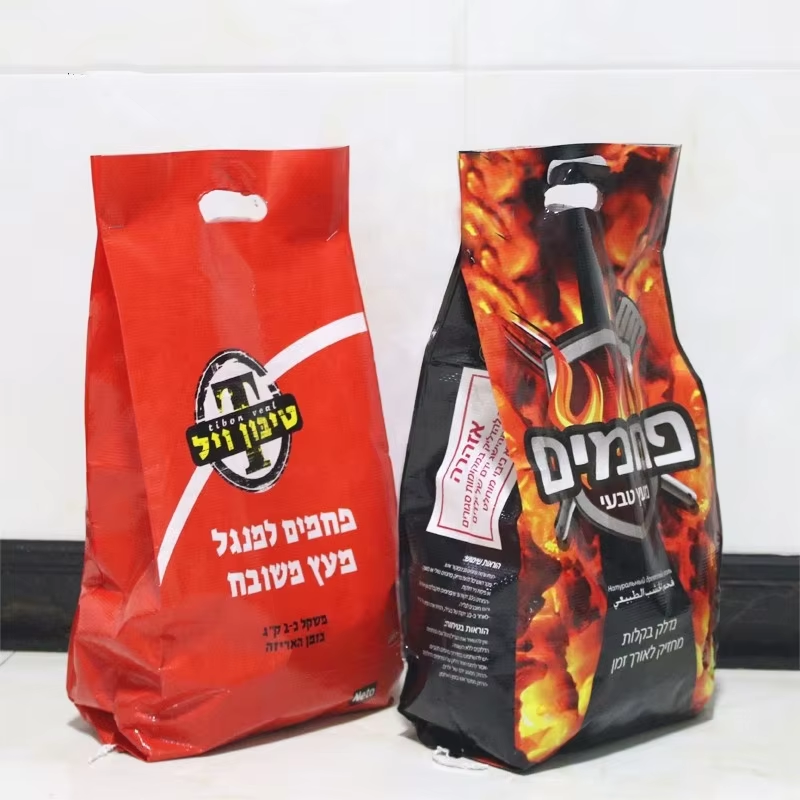
Charcoal Bags by Wood Type (Hickory, Apple, Pecan): Flavor Differences for Proteins and Veggies
The type of wood used in the grill, and the way it burns, determine the variety of smoky flavors that will arise. Different hardwoods, such as hickory, apple, and pecan, release different aromas when burned. Hickory creates a strong, bacon-like flavor which pairs excellent with thick cuts of beef and pork ribs. Applewood has a mild sweet, fruity aroma that is excellent for chicken and fish. Pecan wood is earthy and has a mild sweet smell that goes well with vegetables. Considering wood type when cooking meat creates the best flavor profile.
The type of wood used also influences the density of the smoke, which will determine the degree and duration of flavor infusion.
Lump vs. Briquette Charcoal Bags: Authenticity, Additives, and Smoke Clarity
Lump charcoal is made from pure, unprocessed hardwood and makes for a cleaner burn. This means that it is able to give the food that authentic, wood flavor rather than a fake, chemical flavor. It is quite the opposite for briquettes, as they are usually held together by some form of starch or limestone. These chemicals can interfere with the complex, delicious flavors of the food, and can even leave behind off tastes when cooking more sensitive foods. Some studies from last year also show that lump charcoal creates about 40 percent less particles than briquettes, creating clearer and better smelling smoke. This means that lump charcoal is the better burn when cooking sensitive or delicate foods, and it creates smoke that has less waxy flavors. This is one of the many reasons that serious cooks prefer natural lump charcoal when they are cooking foods that are more sensitive.
Purpose-Based Charcoal Bag Recommendations for Popular Outdoor Grilling Activities
Charcoal Bag Recommendations for High-Heat Searing, Low-and-Slow Smoking, and General Weekday Grilling
Selecting the right charcoal for different grilling techniques is vital for optimizing cook performance and food quality. For instance, in high-heat applications like steak searing that require temps above 700°, the right choice is lump charcoal. Lump charcoal ignites quickly and produces very little ash, helping create that crust on meat within minutes. For low-and-slow smoking, which is done at temperatures between 225 and 275°, and for an extended period, a mix of briquettes and wood chunks is the right choice. They provide longer burn times, help maintain the required temps, and provide good smoke flavor. For weeknight grilling, quick prep and quality food is a must. All-natural briquettes hit the right balance between quality and convenience.
Ignites 30% faster than standard lump varieties
Maintains consistent 350–450°F zones for simultaneous veggies and burgers
Produces 40% less ash than conventional briquettes
Choosing this combination of products is a 22% reduction in fuel waste while maximizing the effectiveness of each cooking style.
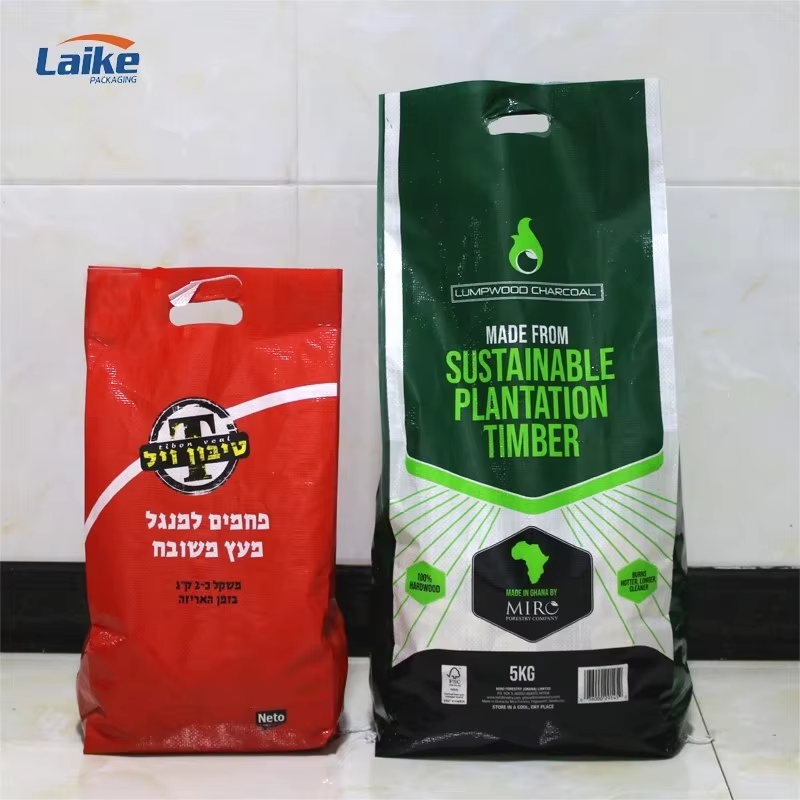
Charcoal Bag Characteristics: Durability, Moisture Resistant, & User-friendly
A good charcoal bag can impact the results you get from your grill significantly. Cheap bags can create a mess and lose you valuable bags of charcoal. Keeping moisture out of the bag is also important. Charcoal that is damp can be as much as 40% more difficult and burns inconsistently. While water-resistant linings and strong seams are meant as a barrier from rain and moisture, the good bags of charcoal still burn and get used. Bags that are practical have big, strong handles that aid in the pouring of charcoal & are designed to withstand rough use. They also have the ability to close again after opening. These bags that are designed this way keep the charcoal useable and good because they maintain the quality and protect the charcoal from moisture that would otherwise ruin the charcoal over time. When searching for a bag of charcoal, look for the bags that have the practical features to keep your charcoal ready.
Frequently Asked Questions
What are the advantages of using lump charcoal?
Lump charcoal is great for quick heating and provides great for searing. Due to the inconsistent sizes of the lumps, there will be times when the charcoal is spot hot as well. Regular monitoring will be needed.
Why do briquettes produce more ash?
Briquettes, unlike pure lump charcoal, contain additives, such as starch or limestone, which means that more ash is produced when burning them.
How do different wood types in charcoal affect flavor?
The wood type used in charcoal, for example hickory or apple, adds a particular flavor to the food that is grilled, improving its flavor with a unique, smoky touch.
Which charcoal type is best for slow cooking?
Briquettes are better suited for slow cooking, as they can hold a more constant temperature for a longer time.