
 EN
EN
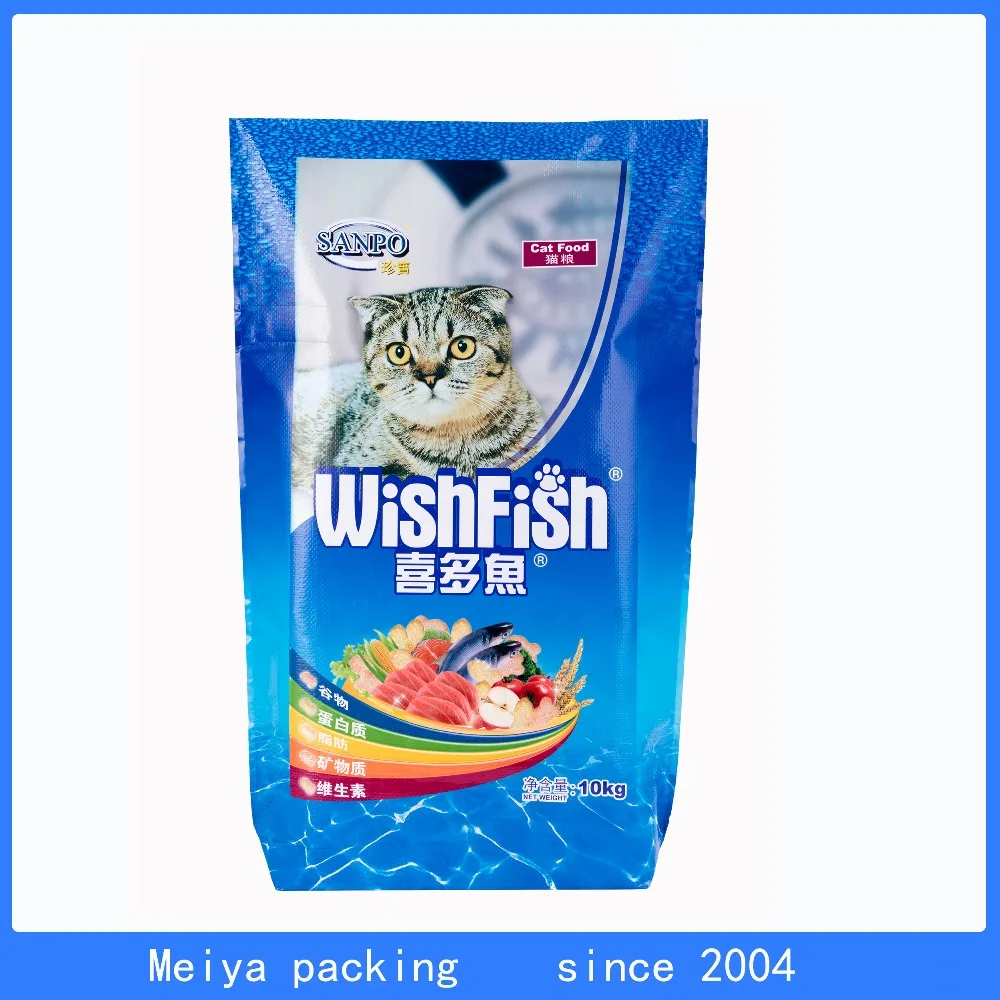
Moisture Resistance: Protecting Nutrients in Field Conditions
Moisture-Induced Mold, Mycotoxin Development and Feed Decomposition
With a small increase in moisture, poultry feed degradation begins to grow mold. Mold growth causes the feed proteins to be rendered 30% unavailable. Mold growth also causes the feed to grow dangerous mycotoxins such as aflatoxin B1. Together, mold and mycotoxins are detrimental to poultry. There are some peer-reviewed studies in the literature that show a 17% increase in death due to chronic mycotoxin exposure. Feed bags must be designed to be a moisture block in order to save the nutrients from the feed and prevent toxin build up.
Woven Polypropylene vs. Laminated Polypropylene
Moisture control is the most important consideration when choosing a feed storage bag. Woven polypropylene is the most common and costs the least, however, it is only able to last a few weeks in a farm environment. Laminated polypropylene with two layers of a polymer coating, is able to last a while in farm environments. Laminated polypropylene is going to perform the best.
Mechanical Durability: Endurance of Farm Handling
Resistance to Abrasion and Impact for Pelletized Feed During Loading, Transport and Pouring
Poultry feed bags suffer from relentless abrasive handling from conveyor belts, forklifts and manual pouring. These conditions rapidly degrade low-spec woven polypropylene. Without abrasion resistance, the surface wears, resulting in tears and loss of the pellets. Many poultry feed bags face the issue of impacts and damage caused by shifts when stacked or manual drops. Field data shows that bags meeting ISO 4649 abrasion resistance, which stating loss of less or equal to 90 mm³, have 37% less loss due to spills than those that don’t. Loss of multiple failure flash points within high-strain farming workflows is further diminished by reinforced corners and double-stitched corners.
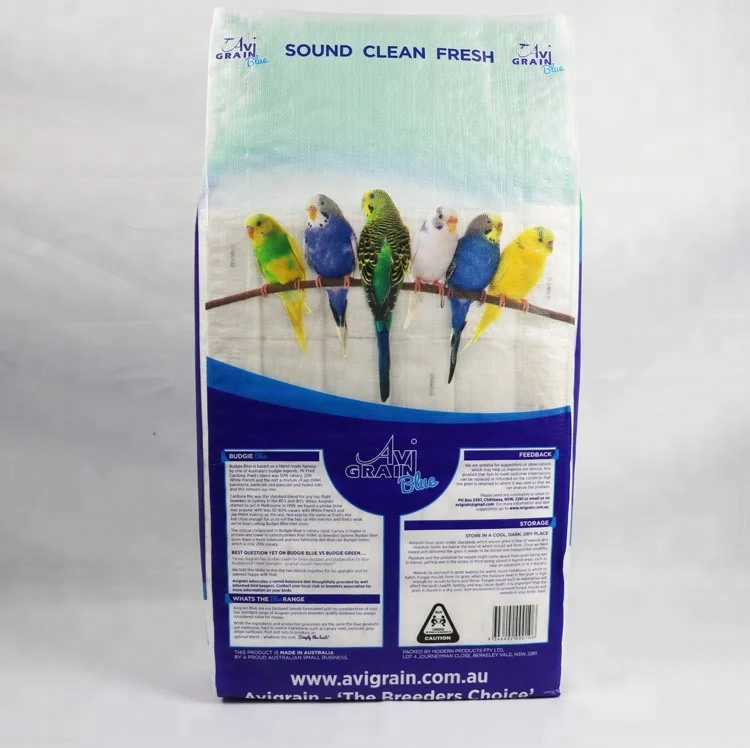
Minimum Performance Level Tensile Strength which is equal or greater to 250 N/50mm for 25-50 kg Load Cycles
Repeated lifts of bags containing 25-50 kg of feed imposes multiple dynamic tensile loads upon the seams and the fabric. Bags with tensile strength less than the 250 N/50mm level will likely, per ASTM D5034 rip and pull, fail during cyclic loadings. It is therefore the standard to hold for integrity that bags can withstand greater than 50 load and moments with center of gravity. It is therefore the standard to hold for integrity that bags can withstand greater than 50 load and moments with center of gravity.
Pest and Environmental Protection: Feed Safety Design
Regulatory and Operational Fit: Compliance Codes and Daily Farm Workflow
Drafting the right implicit knowledge of feed-pouching systems requires compliance on the regulatory side and on-farm practicality. Medicated feeds are impacting the overall contact point of the feed system, and reinforced handles and variances in control lead to susceptibility losses. labor-sustaining functionality with rapid-feed packaging is reported to have proven compliance. Most farms deploying compliant packs report 23% faster feed cycles and 17% reduced injuries. كيف ت ت convidable equilibrium between compliance and operational vertically on the overall feed position.
FAQ
Q: Why is moisture resistance important for poultry feed bags?
A: Feed safety is critical to the moisture barrier to prevent mold, fulfill nutrient safety for a flock, and prevent loss of both nutrient and agent toxins in the feed.
Q: Laminated Polypropylene vs. Standard Woven Polypropylene?
A: Laminated polypropylene beats standard woven polypropylene as it prevents 99.5% of moisture, retains a lower vapor transmission rate, and protects against feed clumping as well as nutrient degradation.
Q: How do feed bags withstand more mechanical damage?
A: Enhancing features such as double-stitched seams, reinforced corner, and resistance to abrasion particularly enhance their durability. Feed bags are built with a minimum of 250 N/50mm tensile strength.
Q: What seal resists pest invasions the best?
A: Nearly 99% resistance to pest and rodent infestations are personally attributed to heat-sealed interventions. This outstrips any of the fold-and-tape or zip-lock interventions.
Q: Why is it important for feed bags to be compliant with regulations?
A: Feed bags that are compliant with regulations are no longer a liability for feeding the animals as the packaging themselves will not leach chemicals into the feed. The bags will not be no food-grade compliant.