
 EN
EN
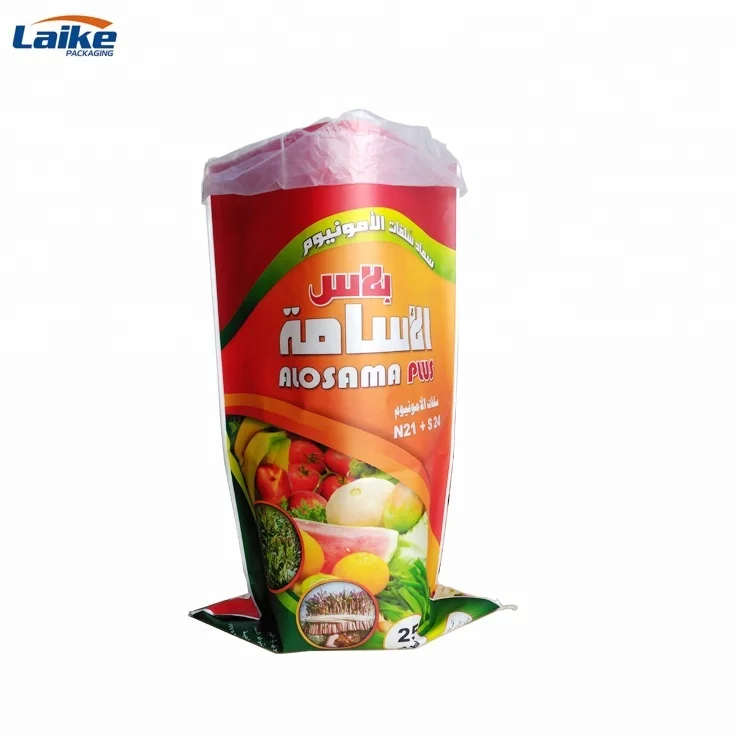
Unparalleled Moisture and Oxygen Barrier Protection to Preserve the Integrity of Fertilizer
How Moisture and Oxygen Lead to Caking, Nutrient Loss, and Microbial Degradation
Hygroscopic fertilizer granules draw in surrounding moisture, through imperfect packing, resulting in caking, loss of flow and the ability to spread, as well as the ability to be evenly applied. Furthermore, the oxygen accumulation presents the threat of oxidized nitrogen compounds, with ammonium volatilizing into gaseous ammonia at a rate of over 20 percent annually. Microbial degradation is particularly acute as colonies multiply on moist, humid environments, with 70% or more relative humidity, every 24 hours. These factors, occurring with standard single-layer packaging, reduce fertilizer efficacy to a 30% - 45% degradation over 12 months.
Multi-Layer Lamination: Designing Effective Barrier Systems with BOPP, PE and EVOH
Laminated fertilizer bags with the combination of the BOPP, PE and EVOH materials function in better barrier systems:
- BOPP (Biaxially Oriented Polypropylene) provides resistance to puncture, UV and abrasions
- PE (Polyethylene) creates a moisture barrier with a water vapour transmission rate of less than or equal to 0.3 g/100in²/24hr
- EVOH (Ethylene Vinyl Alcohol) has been shown to provide oxygen barrier capabilities of over 99.9%
This triplex architecture extends shelf life by 18–24 months – preventing caking, nutrient oxidation, and microbial adverse conditions. It is also possible, through the precision of multilayer (12 to 120 microns) controlled layer, to account for barrier performance without the overuse of materials.
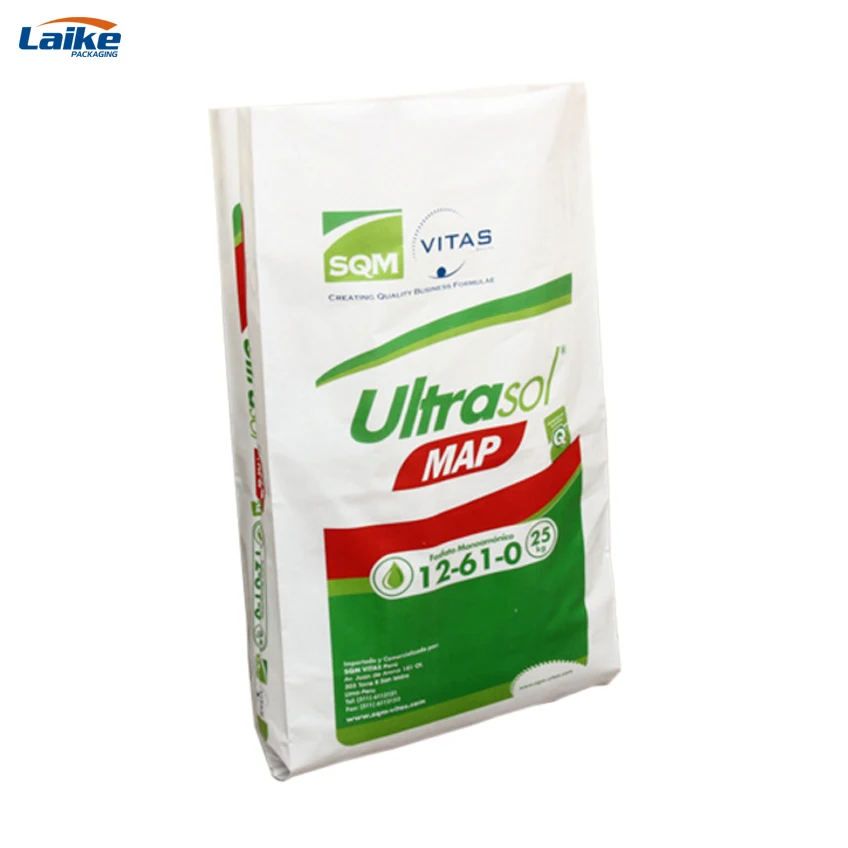
Robust Environmental Resistance: UV, Heat, and Chemical Stability
Storage of UV-Blocking Laminates and Additive Integration for Field and Warehouse Storage
Laminated bags hold Hindered Amine Light Stabilizers (HALS) in BOPP films, protecting the bags from up to 99% of UV radiation. If there is no UV protection, conventional bags can lose 40% of their integrity in 6 months. This type of reinforcement protection preserves the strength of the bags and protects them from brittle fracture and fading, which all signal the beginning of polymer failure. When paired with inner PE moisture barriers, the bags protect the fertilizer quality throughout the seasonal changes and unavoidable humidity of distributing centers and warehouses.
Thermal and Chemical Resistance of Organic and Inorganic Fertilizer Formulations.
Advanced laminates endure extreme temperatures and aggressive chemistries (including ammonium nitrate, urea, and organic acids) and retain strong structural integrity and barrier configurations. The cross-linked polymer matrix is resistant to hydrolysis and solvent ingress. An EVOH layer retains the ability to block oxygen, even if the substrate is in direct contact with highly-soluble nutrients, such as fertilizers. Accelerated aging simulation shows that multi-layered solutions using advanced laminates have 78% fewer product failures than single-layered solutions. This solutions decreases field-ready product loss and prevents the need for product rework.
Mechanical Durability and Handling Performance in Real-World Distribution
Handling Bulk Fertilizer Bags: An Overview of Tensile Strength, Drop Resistance, and Puncture Protection
Laminated fertilizer bags are designed with high-stress logistics in mind. Multi-layer BOPP/PE construction achieves tensile strengths greater than 40 N/15 mm and can safely lift 50 kg loads with pallet jacks or conveyors. During 1.5-meter drop tests, which are an example of standard forklift transfers, laminated bags retain integrity 89% more often than monolayer bags. There are reinforced variants that include nylon mesh or micro-glass which assist with resisting punctures from pallet splinters and sharp edges of the cargo. Field reports indicate that laminated bags withstood more than 200 compression cycles within rail transit, while woven bags began rupturing after just 80 cycles. These advantages relate directly to reduced field loss, with damaged packaging contributing to $3.2 billion in annual global fertilizer loss (FAO, 2023).
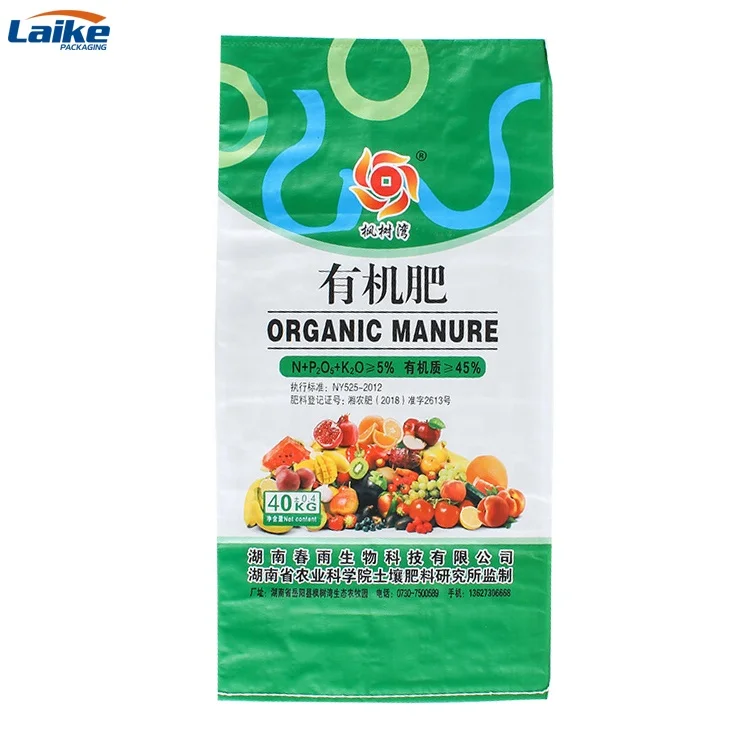
From a Total-Cost-of-Ownership Perspective, the Benefits of Lost Nutrient Protection and Shelf-life are Significant
Laminated fertilizer bags offer the enhancement of shelf-life, along with a reduction in spoil loss. Laminated bags offer superior moisture, and O2 barriers resulting in a 30% reduction of spoilage due to caking and increased nutrient loss and growth of microbials. This is particularly important during the agricultural season, as it helps avoid emergency reorders, improves turnover, and reduces disposal costs. The longer the product shelf-life, the greater the protection during additional transport losses and the addition of stocks. Lowered operational costs, reduced environmental liabilities, and an ROI within 12-18 months all support that laminated bags provide the best modern fertilizer packaging.
FAQs
1. What do laminated fertilizer bags have to prevent moisture and oxygen damage?
Caking, nutrient loss, and microbial degradation are prevented by multi-layered structures (e.g., BOPP, PE, and EVOH) that create barriers to moisture and oxygen.
2. How much do laminated bags extend shelf life?
For fertilizers, these bags extend shelf life by 18–24 months, even in the most extreme cases, such as severe tropical warehouse conditions.
3. Why are laminated bags better than singe-layered bags?
Laminated bags are more resistant to bad environmental conditions than single-layered bags by having better mechanical strength and better barrier properties that minimize spoilage and product loss.
4. Are these laminated bags good for tough conditions?
Yes, they are built for the most extreme conditions in transporting. These bags have incredible strength, and resistance to drops and punctures and that can face in the real world distribution.
5. Are laminated fertilizer bags eco-friendly?
Yes. they help lower waste. These bags minimize spoilage and extend the shelf life of fertilizers which aids in keeping agricultural processes eco-friendly and better.