 EN
EN
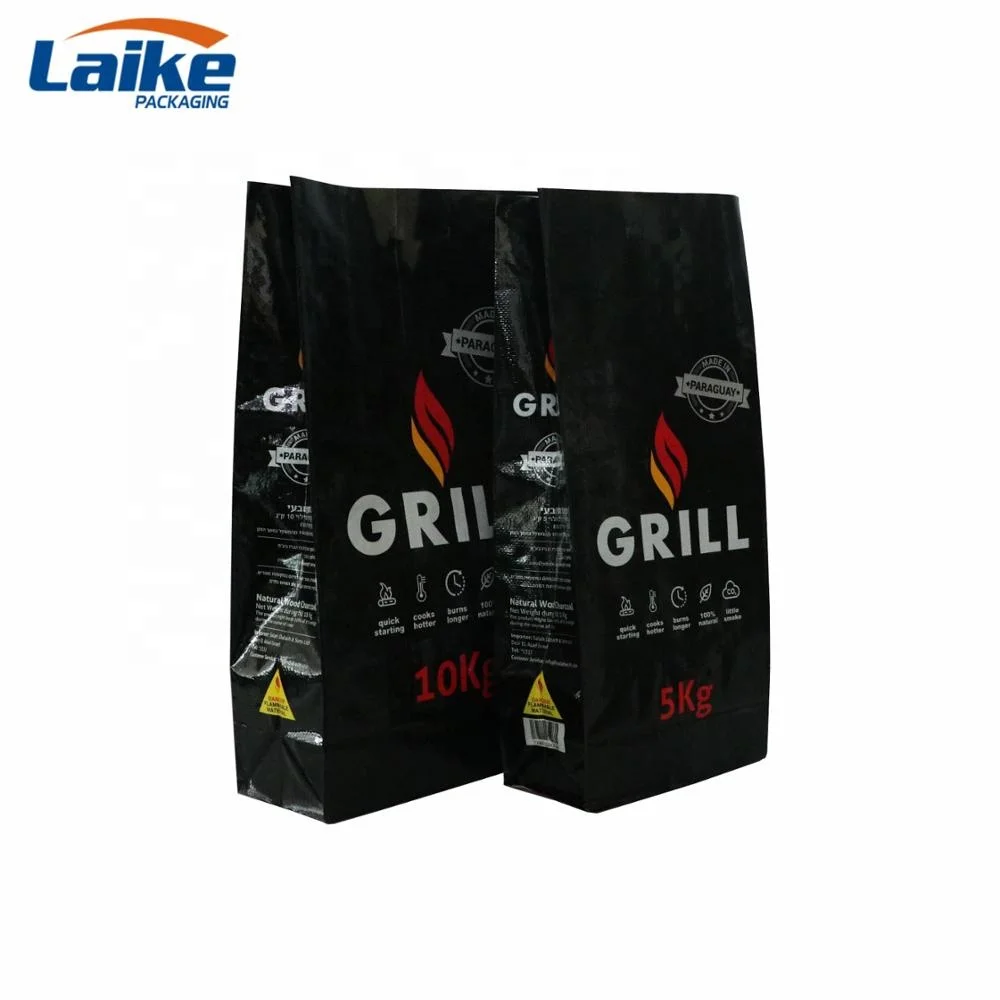
The Only Truly Recyclable Charcoal Bag Material is LDPE (RIC #4)
Products made from Low-Density Polyethylene, RIC #4, is the only plastic viable for recyclable charcoal bags. LDPE is the leading plastic choice for repeating recycling due to its non-contaminable nature and flexibility, allowing for compact bale servers. Unlike PVC and mixed plastics which clog sorting lines and remelting, LDPE can be shredded and remelted without the remelting degrading the material.
The Flexibility of LDPE: The Only Plastic for Charcoal Bag Recycling Charcoal
The flexibility of LDPE is what helps it remain unbroken during the sorting process. This is a signature quality for recyclers. This sets it apart from, PET and HDPE, who are both brittle and prone to breaking during the extrusion process. LDPE is also different due to the temperature it achieves when it is melted down, which is a comparatively low temperature of 115°C. LDPE is the only flexible plastic that makes it through the retail drop-off programs.
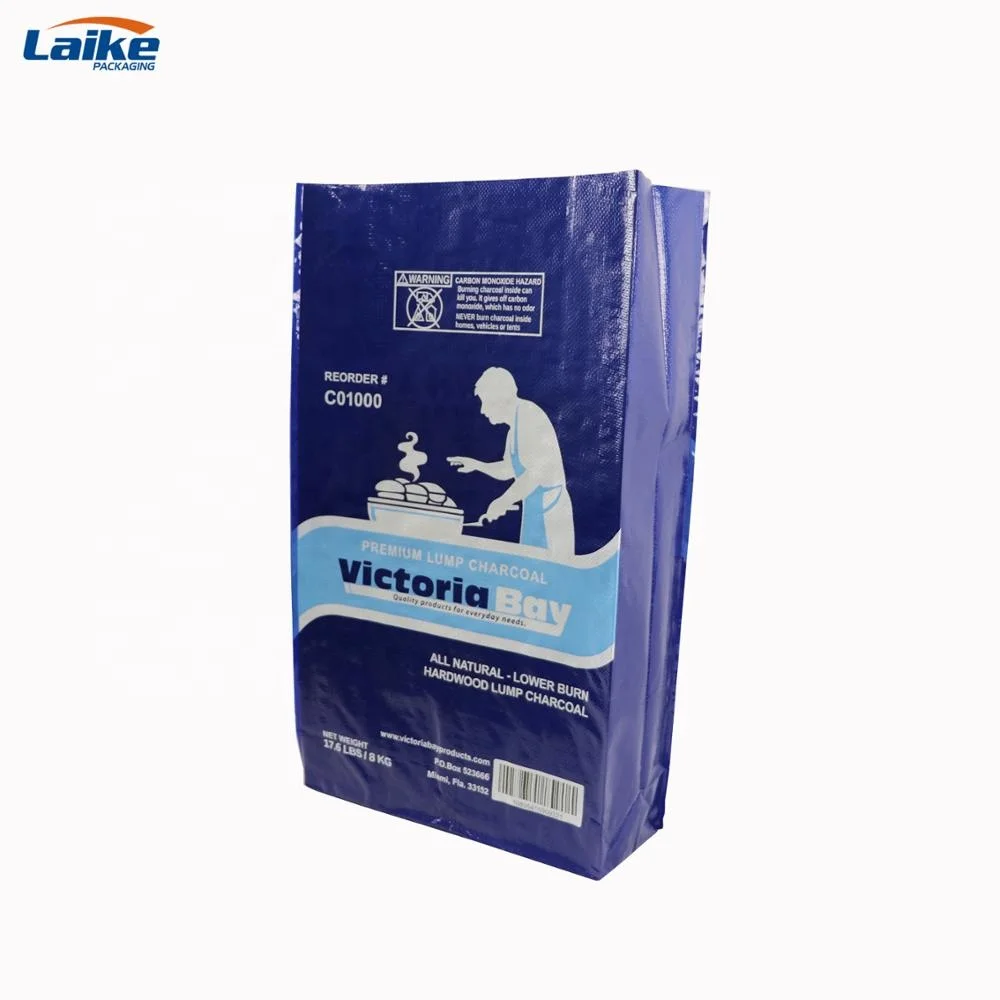
The Importance of 'Resin Code' and 'Resin Flexibility' in Packaging
Just because there is a RIC #4 label placed onto the bag, does not indicate that it is easily recyclable. The majority of curbside programs will not accept plastic bags of LDPE due to the risk of bag packaging getting tangled in the system. The label indicates three requirements, for recyclability.
1: Material purity, which means there should be no metallic, layered, and heavy-metal printed substances.
2: Recyclability access which is in close proximity to collection channels that are designed specifically for reusable shopping bags.
3: Verified channels of production that will create a new product after collecting the LDPE.
How2Recycle has set a new label of rigid LDPE as Check Locally because they are not evenly collected, however flexible charcoal bags of LDPE are the only additive free materials that support recycling standards.
Identifying Hidden Features That Prevent Charcoal Bag Recycling
Disqualifying Features of Charcoal Bags With Multiple Laminations, Metal Coatings, and Prints
Even charcoal bags that are accepted as RIC #4 cannot be recycled if there are features that are hidden and that are classified as non-recyclable. Laminations containing multiple layers since they include multiple different materials, such as an LDPE and a PET or Nylon, that create a composite that gets stuck in a shredder and metalized films coated in aluminum in layers that are only microns in thickness, that cause flaws in the melting process of recycled plastic that cannot be corrected, and decrease the quality of the recycled plastic by as much as 40% because they create metallic impurities as a result of the weakness and flaws in the melting process. Likewise, specialty inks that contain cadmium or lead that are not safe because they produce small amounts of toxicity that are above the threshold of safe reuse and that cause material recovery facilities to automatically reject the product due to the toxicity and to violate the safe thresholds due to the toxicity.
How UV Blockers, Additives, and Coatings Impact the Circulation of LDPE
Laminates of non-linear and multi-functional characteristics reduce the sustainability of a product and the quality of the materials contained, and UV blocking agents cause LDPE to become more unstructured and lead to brittle materials that lead to incomplete pellets. Anti-static coatings reduce the purified quality of the material to less than the threshold that is commercially acceptable. While these have little effect on the product, they unambiguously indicate to facilities that bags should be landfilled, which is done when sorting facilities by spectroscopic scanners detect chemical anomalies before processing begins.
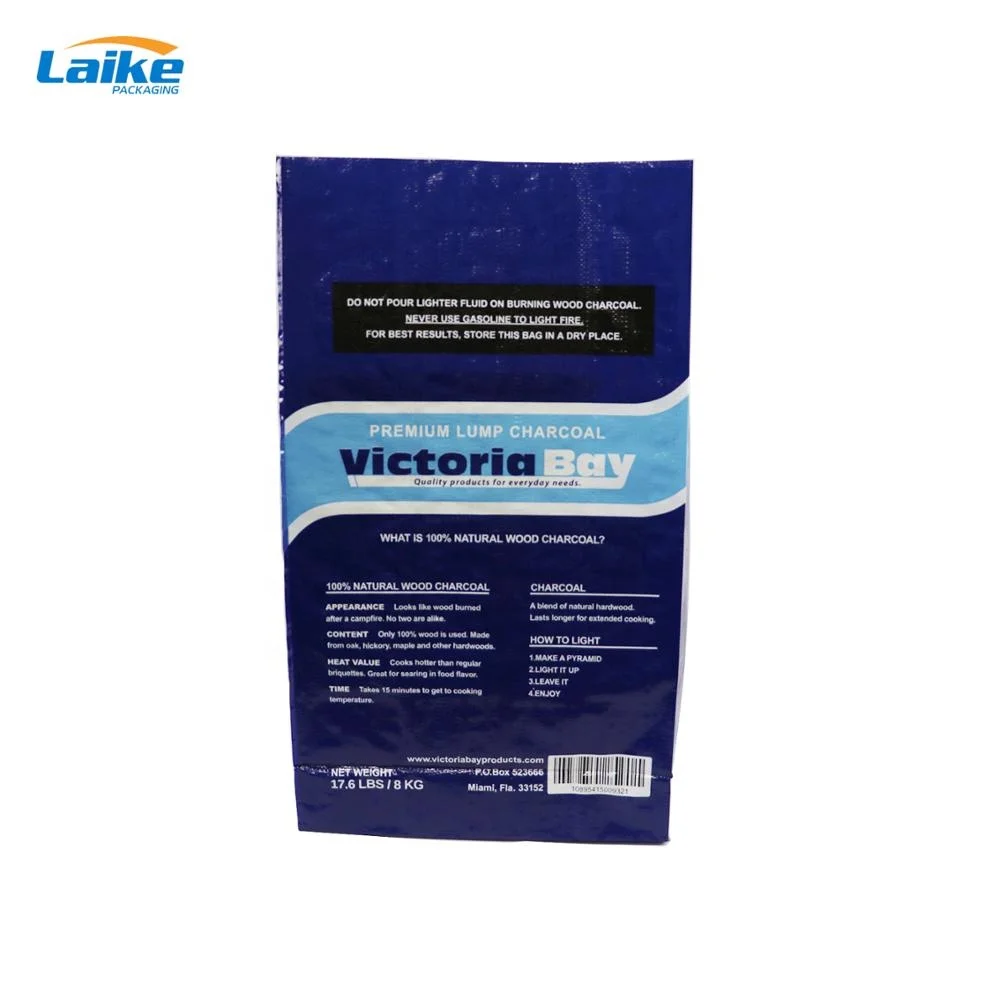
Physical Tests and Recognized Collection Routes Should Confirm Recyclability
Assessing the Purity of LDPE Charcoal Bags Through the Crinkle Sound Analysis, Stretch Test, and Clarity Test
Three simple and physical tests can be conducted to assess the purity of LDPE before they are thrown away:
Stretch test: Test to see if the plastic material is LDPE. You can do this by pulling a corner. It is probably LDPE if it elongates 2x or 3x the original length and it does not snap.
Crinkle sound: It is a plastic that has a polymer structure that has not been compromised if it has a sharp and crisp crinkle. It is evidence that the polymer structure has been compromised if it has a dull and thud crinkle.
Clarity Check: Translucency of the same degree suggests packing that's free of non-thus fillers. Looking for fillers near surface or non-hazed surfaces. Scattered light points to fillers, coatings, or metallization.
This suggests contamination that affects recycling efficiency. Contaminated LDPE entering banks leads to printed yield loss of up to 40%, as measured by the industry benchmarks published by the Association of Plastic Recyclers in 2023.
Where Charcoal Bags Are Recycled: Retailer Drop-Off Programs vs. Curbside Limitations.
Curbside programs, because of the potential risks and disruptions to the sorting line, prohibit flexible plastics, including flexible charcoal bags. Conversely, Retailer Recycle programs (Walmart, Kroger, Target) are designed for LDPE film and can achieve collection rates 70% higher per consumer than municipal curbside programs because their recycling collection is pre-sorted and pre-cleaned. However, participation is low, with only 18% of U.S. households recycling. Always check local recycling programs in the How2Recycle database because just one recycling contaminated LDPE bag can cause an entire bale to be discarded and sent to the landfill.
Why “Recyclable” Charcoal Bags Don’t Always Get Recycled
Once it hits the shelf, the term “recyclable” refers to theoretical compatibility rather than actual real-world recycling. Contamination is the leading reason why recycling fails. Handles, inks, and laminations added to bags during manufacturing make recycling impossible, even if the bags are predominantly made of LDPE. The U.S. sorting system is underdeveloped, leading to only 5% of flexible packaging being recycled in the U.S. in 2022 (Greenpeace). Most municipal recycling lacks the capability to handle film, so they pass the work to retail. Consumer confusion and unclear instructions cause increased improper recycling, leading to an annual average increased cost of $740,000 for collection facilities, as cited in the 2023 Ponemon Institute. The film bags of charcoal fail to exit the system and the closed recycling issues arise due to technical, infrastructure, and consumer behavior issues.
Why are LDPE bags the only charcoal recycling bags?
Apart from it being the most notable, single flexible plastic that is approved in most retail drop-off programs, it has low recycled temperatures and great flexibility.
Why can’t LDPE bags make it into curbside programs?
Flexible plastic bags and LDPE bags that make it to curbside programs cause the systems to get entangled in the systems with their recycling programs and sorting systems.
Are there exceptions in charcoal bags that create a loophole and make them unrecyclable?
Optimal bag design with vacuum bags and special inks using technology such as inks and laminates with fusion and mating errors.
How would a bag of charcoal be assessed for its recyclability?
Good bags tend to not snap as they get adjusted and stretched, they sound less collapse, and they tend to be clear through purity.